
Yes, you can get permeable asphalt, specifically designed to allow water to seep through and help manage stormwater efficiently. This type of asphalt reduces surface water pollution and is essential in urban areas to prevent water accumulation and flooding during heavy rainfalls. It’s installed over a carefully graded base to guarantee proper drainage and requires regular maintenance to prevent clogging. While it has a higher initial cost and needs consistent upkeep, the environmental benefits and reduced stormwater management costs make it a valuable option. Suppliers specialise in sustainable materials, so check credentials and gather multiple quotes to verify quality and cost-effectiveness. Exploring further could provide deeper insights into its application and benefits.
What Is Permeable Asphalt?
Permeable asphalt, also known as porous or pervious asphalt, allows water to pass through its surface and into the ground beneath. This innovative material plays a vital role in managing stormwater, reducing runoff, and replenishing groundwater levels.
When considering its environmental impact, you’ll find that permeable asphalt greatly mitigates the issue of surface water pollution. By facilitating the natural filtration of water back into the soil, it effectively removes pollutants, consequently protecting local waterways. Additionally, permeable asphalt is especially useful in urban areas where conventional drainage systems might be overwhelmed during heavy rainfalls, preventing water accumulation and reducing the formation of puddles and hazardous ice patches in colder weather.
However, you should be aware of its maintenance requirements which are more demanding than those for traditional asphalt. The voids in permeable asphalt, essential for its permeability, can become clogged with sediments and debris if not regularly maintained. To preserve its functionality, frequent vacuuming or pressure washing is necessary to prevent the buildup that can impede water infiltration.
Moreover, the design and installation of this type of asphalt require meticulous attention to detail to guarantee that the base layers provide adequate support and proper water drainage. Incorrect installation could lead to premature failure of the pavement, particularly in areas subjected to heavy traffic or extreme weather conditions.
Therefore, selecting a knowledgeable contractor is paramount.
Benefits of Permeable Asphalt
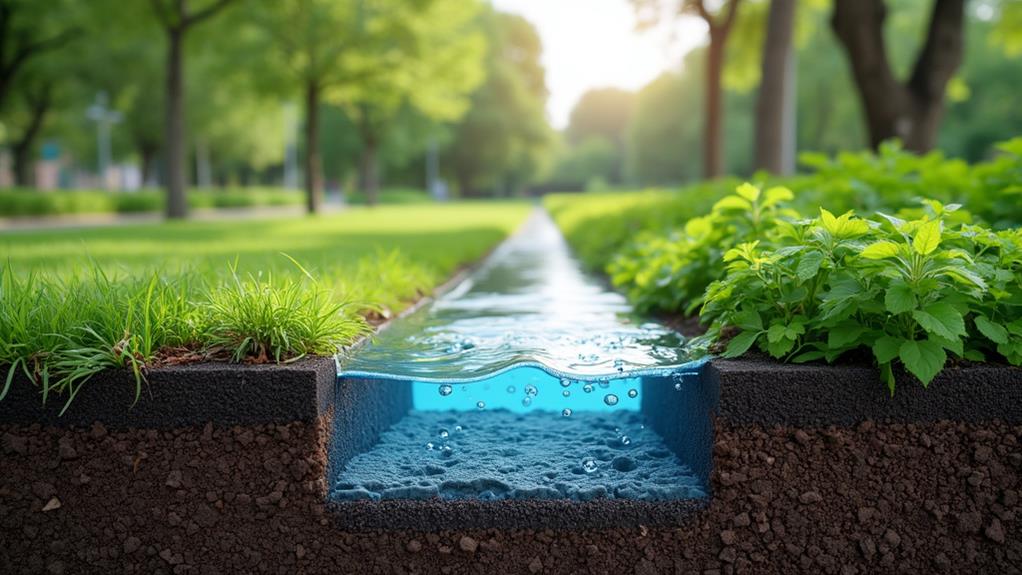
While the installation and maintenance of permeable asphalt may require more attention, the environmental and practical benefits it offers are considerable. By allowing water to pass through its surface and into the ground below, this material reduces the environmental impact of urban runoff, which is a major contributor to water pollution.
You’ll find that permeable asphalt appreciably diminishes the need for extensive stormwater management systems, which are both costly and space-consuming. The porous nature of permeable asphalt guarantees that water drains through the asphalt and into the soil, recharging groundwater supplies and preventing the overwhelming of sewer systems during heavy rains.
This feature also reduces the risk of flooding, a critical advantage in increasingly developed areas. Additionally, permeable asphalt is designed to prevent water accumulation, which effectively reduces puddles and ice patches, enhancing safety in parking lots and driveways.
Moreover, the maintenance requirements of permeable asphalt, while initially more demanding, can lead to longer-term savings. The prevention of standing water extends the lifespan of the pavement by reducing surface damage caused by freeze-thaw cycles.
Additionally, the darker color and open texture aid in melting snow and ice faster than traditional surfaces, which can decrease winter maintenance costs.
Installation Process Explained
Understanding the installation process of permeable asphalt is fundamental for achieving ideal performance and durability.
You’ll need to start with a proper base, which is different from traditional asphalt. The base must guarantee adequate water drainage and support the load. Typically, this involves using layers of carefully graded stones that are compacted together. This structure allows water to pass through while maintaining the necessary strength.
Next, the asphalt mixture itself needs to be laid down. This isn’t your typical asphalt; it’s designed with void spaces to allow water to seep through. The installation techniques you use here are imperative. You must guarantee even distribution and proper compaction to avoid weak spots that could lead to premature failure.
The depth and composition of the asphalt layer must be tailored to anticipated traffic loads and local weather conditions. Incorporating permeable materials like these not only improves drainage but also contributes to the sustainability of urban areas by reducing the urban heat island effect.
After installation, don’t overlook the maintenance practices. Regular cleaning to remove debris from the surface and inspections to check for clogging in the pore spaces are critical.
These steps will guarantee that your permeable asphalt continues to perform effectively, handling runoff and reducing water pooling, therefore extending its lifespan considerably.
Potential Drawbacks
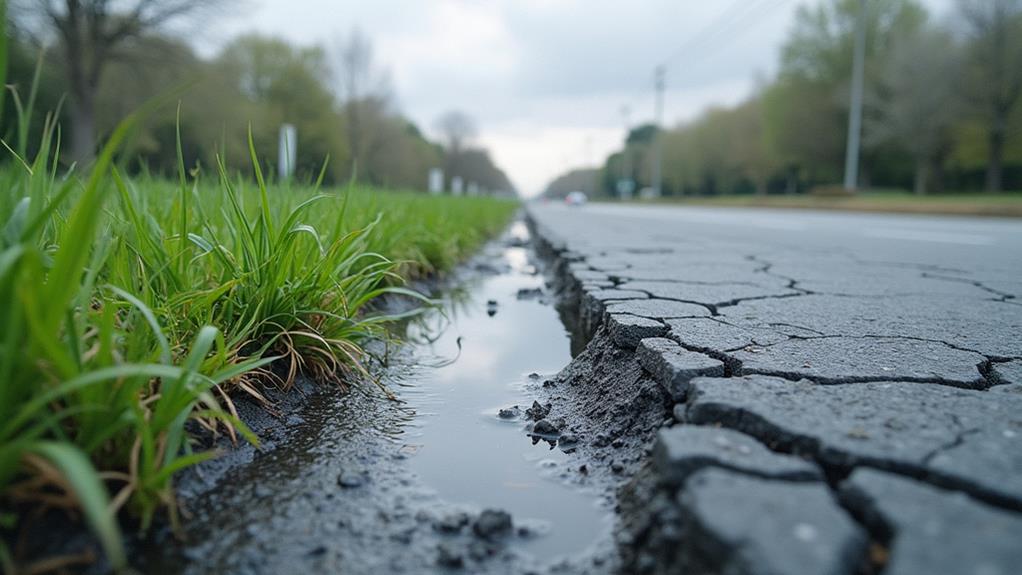
Despite the benefits that permeable asphalt offers regarding water management and environmental sustainability, several challenges must be taken into account when opting for this material.
You’ll find that initial cost factors are significant with permeable asphalt; it’s typically more expensive than conventional asphalt due to its specialised materials and installation techniques. This could impact your budget substantially, especially for larger projects.
Furthermore, you can’t overlook the maintenance challenges associated with permeable asphalt. Unlike traditional surfaces, permeable asphalt requires regular upkeep to maintain its porosity and functionality. This includes frequent vacuuming to remove debris that clogs the pores, periodic pressure washing, and possibly, rejuvenation processes to restore permeability.
This level of maintenance demands both time and additional financial resources, which could add up over the lifespan of the pavement.
It’s also important to take into account the structural limitations of permeable asphalt. It’s generally less durable under heavy traffic conditions or in areas with heavy vehicle loads. This could lead to quicker degradation and the need for more frequent repairs, further adding to the long-term costs.
Additionally, permeable asphalt provides significant water runoff reduction, which is a fundamental factor for managing urban water resources effectively.
Understanding these drawbacks is essential as you weigh the pros and cons of this innovative paving solution.
Availability and Purchasing Options

In light of the challenges associated with permeable asphalt, you might be wondering about its availability and how to purchase it.
While not as ubiquitous as traditional asphalt, permeable asphalt is available through specialized suppliers who focus on sustainable building materials.
Here’s how you can navigate the purchasing process:
1. Identify Specialised Suppliers:
Start by researching suppliers that offer permeable asphalt. These companies often provide detailed technical specifications and can assist with installation advice.
2. Evaluate Supplier Credentials:
Check the credentials and the environmental certifications of the suppliers to guarantee high-quality materials and adherence to safety and environmental standards.
3. Consider Pricing Considerations:
Pricing for permeable asphalt typically varies depending on the region, the supplier’s policies, and the scale of your project. Request quotes from multiple suppliers to compare costs and negotiate the best deal.
4. Assess Delivery Options:
Because of its specialised nature, consider the logistics of delivery. Some suppliers might offer regional delivery, while others may require you to handle transportation.
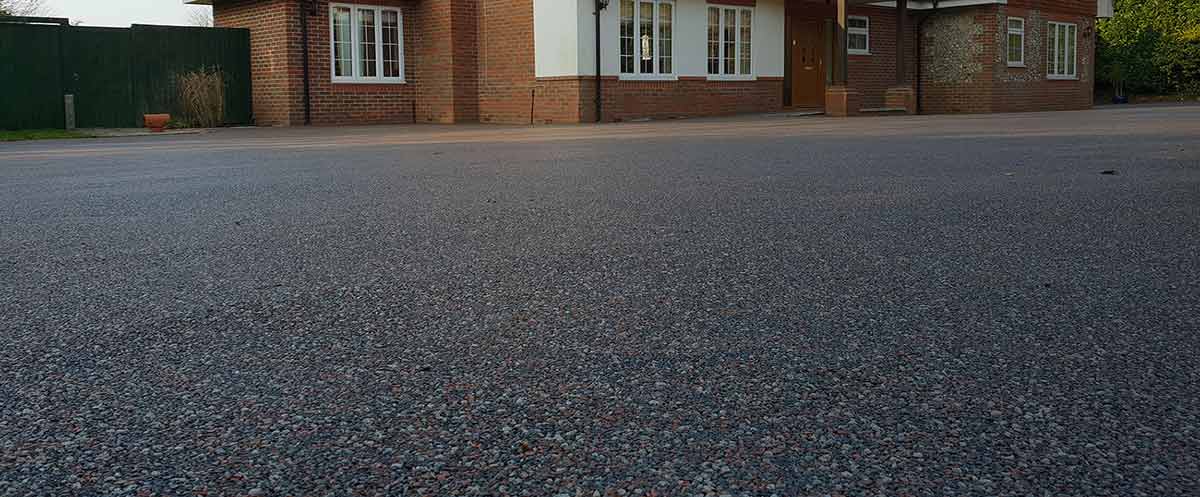
More Benefits of a Tarmac Driveway for Your Bingham Home A new tarmac driveway can bring a multitude of benefits Read more
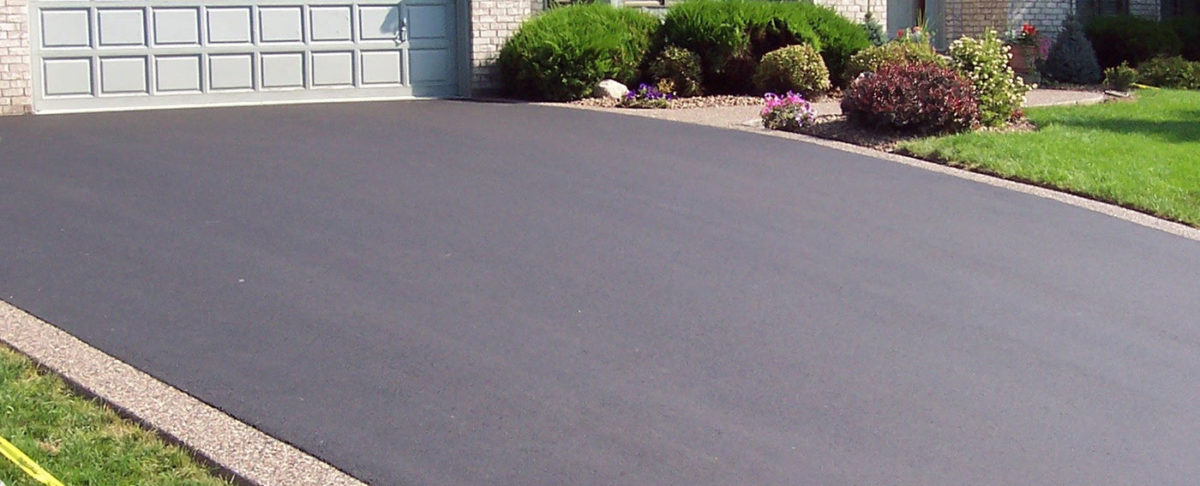
Tarmac Driveway After Care Tips If it is well maintained, tarmac driveways will last many years. These tips will help Read more

Maintaining your tarmac driveway is an important task for any homeowner. Proper drainage can make all the difference between having Read more