
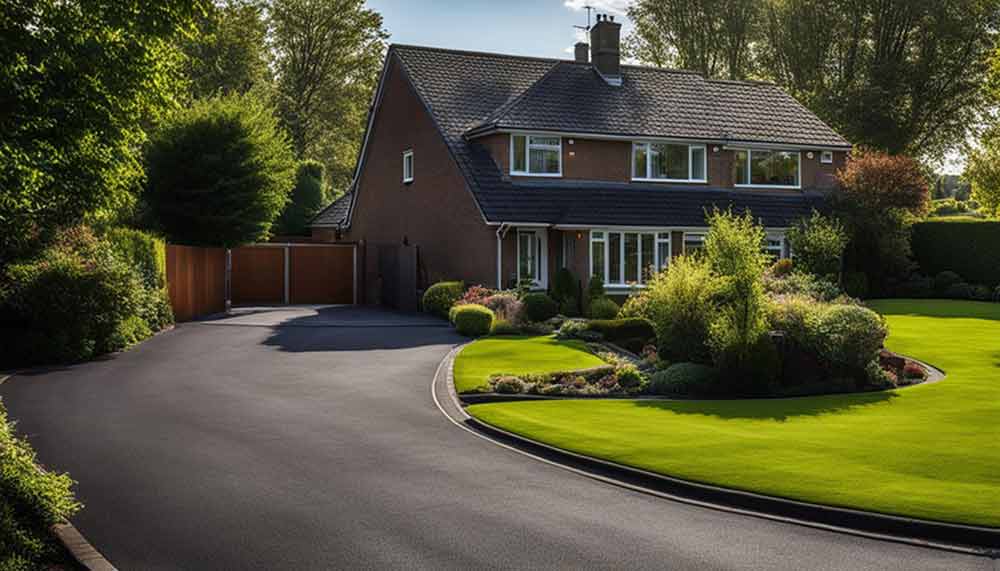
Tarmac driveways are a popular choice for many homeowners due to their durability and long-lasting results. However, it is important to understand the curing time of tarmac to ensure its optimal performance at your home’s entrance.
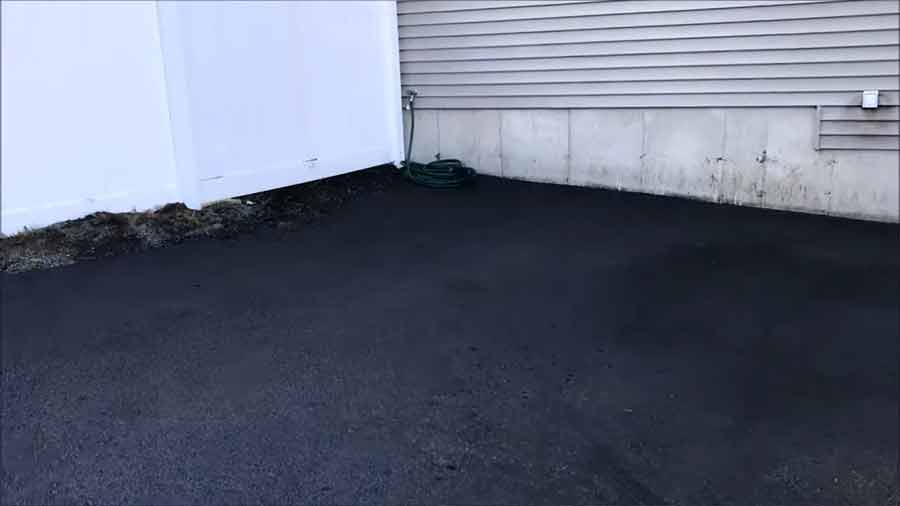
Many people confuse the drying time with the curing time when it comes to tarmac. While it may feel dry to the touch after a few days, tarmac actually takes longer to fully harden and cure. This is crucial for the durability of your driveway.
Weather conditions, such as temperature and rainfall, can also affect the curing process. In warm weather, tarmac can set in just a few hours, while colder temperatures can slow down the curing process. Consistently low temperatures, below 15 degrees, can significantly prolong the hardening process.
It is important to allow sufficient time for the tarmac to fully cure before using your driveway. While it may be safe to walk on the surface shortly after it is laid, it takes longer for the tarmac to solidify enough for heavier use, such as driving over it with vehicles.
For residential driveways, it is recommended to wait at least five days before using your tarmac driveway. However, in commercial environments, it is advisable to wait a few weeks to prevent any potential damage.
To maintain the longevity of your tarmac driveway, proper maintenance is crucial. Avoid heavy vehicular traffic in the first few days to prevent indentations and damage.
Be cautious during hot weather, as tarmac can soften. Drive smoothly and distribute weight evenly to prevent scuffing and damage.
Clean up spills promptly to prevent weakening and further damage.
Applying a sealant after a year can also help protect the tarmac from spills and the elements, enhancing its appearance and durability.
To learn more about tarmac driveways in the Mansfield area and to ensure long-lasting results for your home, visit https://asphaltdrivewaysmansfield.co.uk/.
How Does Temperature Affect Tarmac Curing?
The temperature plays a significant role in the curing process of tarmac. In hot weather, tarmac can set in just a few hours, but it may take longer in colder temperatures. If the temperature is consistently below 15 degrees, the curing process becomes slower, as tarmac needs heat to become hard and durable. On the other hand, extremely hot weather can also cause tarmac to soften slightly, even after it has fully cured. Additionally, high levels of moisture, such as rainwater, can prolong the curing process and lead to issues like potholes.
| Temperature | Curing Time |
|---|---|
| Hot weather | Fast curing, tarmac can set in a few hours |
| Cold weather | Slower curing process |
| Extremely hot weather | Potential slight softening of fully cured tarmac |
| High moisture levels | Prolonged curing process, risk of potholes |
In hot weather, the combination of warm temperatures and the heating element of the sun accelerates the curing process, allowing the tarmac to become set-solid in just a few hours. However, in colder temperatures, tarmac requires more time to cure and harden properly. The lack of heat slows down the chemical reactions that occur during the curing process. Consistently cold weather below 15 degrees can considerably prolong the curing time, making it important to be patient and allow sufficient time for curing.
On the other hand, it’s crucial to be cautious during periods of extremely hot weather. While the tarmac may have fully cured, the intense heat can cause the surface to soften slightly. This can be problematic, especially if heavy vehicles or equipment are used, as they may leave imprints or cause damage to the surface. Moisture levels are another factor that can affect the tarmac curing process. High levels of rainwater or excessive moisture in the air can significantly prolong the curing time, potentially leading to issues like potholes.
How Long Should You Wait Before Using a Tarmac Driveway?
When it comes to using your newly laid tarmac driveway, exercising patience is key. While it may be tempting to start using it right away, allowing the tarmac to dry properly and fully cure is crucial for its long-term durability and performance.
It is generally recommended to wait at least five days before using a tarmac driveway, ensuring that it has adequate drying time. During this period, the tarmac goes through a process of evaporation, allowing the moisture to escape and the surface to harden.
Although it may be safe to walk on the tarmac shortly after it is laid, driving vehicles on the surface too soon can pose a risk of damage. The tarmac needs sufficient time to solidify before heavy use, such as the weight of vehicles, is applied.
In residential driveways, it is advisable to avoid turning vehicle tires or applying localised pressure to the tarmac for a few weeks to prevent any potential damage. This precaution is even more crucial in commercial environments where the risk of damage from heavy traffic is higher.
By allowing enough time for the tarmac to fully cure, you minimise the risk of premature surface wear, indentation, and other forms of damage that could affect the appearance and longevity of your driveway.
| Type of Use | Safe to Use |
|---|---|
| Pedestrian Traffic | Shortly after installation |
| Light Vehicles | After five days |
| Heavy Vehicles | After a few weeks (residential driveways) After adequate curing time (commercial environments) |
It’s important to note that the optimal drying and curing time for a tarmac driveway can vary due to factors such as weather conditions, humidity levels, and the thickness of the tarmac layer. Consulting with your tarmac installation professional will ensure that you have specific guidance tailored to your driveway’s unique characteristics.
How to Maintain a Tarmac Driveway for Longevity
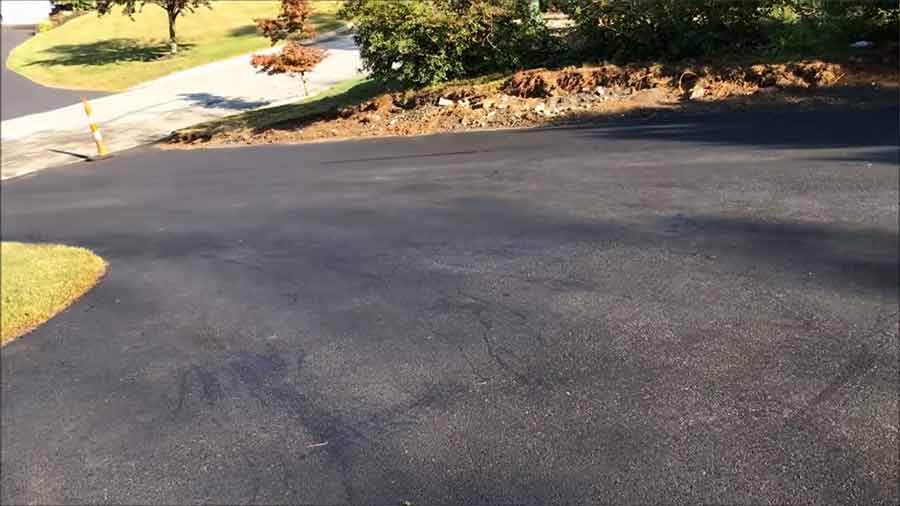
To keep your tarmac driveway in top condition and prolong its lifespan, proper maintenance is essential. Following a few simple guidelines will help you maintain the quality and appearance of your tarmac surface.
First and foremost, it’s important to avoid heavy vehicular traffic on a newly laid tarmac driveway for at least the first three days. This will prevent indentations, scuffs, and other damages. Also, be cautious during hot weather, as high temperatures can soften the tarmac, making it more susceptible to damage. Drive smoothly and distribute weight evenly to minimise any potential harm.
Another way to prevent damage to your tarmac driveway is by avoiding scuffing the surface. Refrain from turning your vehicle wheels while stationary, as this can cause scuff marks and wear down the tarmac. Additionally, when placing heavy items such as furniture or equipment on the driveway, use planks or distribute the weight evenly to prevent dents and spot damage.
Promptly clean up any spillages on your tarmac driveway to prevent staining and weakening of the surface. Spillages, such as oil or chemicals, can seep into the tarmac, causing long-term damage. Consider applying a sealant after a year to further protect the tarmac from spills, UV rays, and other elements. This will not only preserve the durability of your driveway but also enhance its appearance.
Regular maintenance and timely repairs are essential for the longevity of your tarmac driveway. Keep an eye out for any signs of damage, such as cracks or potholes, and address them promptly. Engaging the services of a professional tarmac maintenance company, can ensure that your tarmac driveway is well-maintained and protected for years to come.
Call us to get a price quote on a tarmac. Contact us today on 07595 510190 to receive a free quote or visit our website.
Source Links
- https://jordanssurfacing.co.uk/
how-long-does-tarmac-take-to-dry/ - https://www.forwardbs.co.uk/
blog/how-long-tarmac-set/ - https://www.uksurfacings.com/
news/how-to-maintain-tarmac-driveway/
{Resin Driveways are Good for Mansfield?|Resin Driveways in Mansfield: Are they any good?|Resin Driveways Good in Mansfield|Resin Driveways Are Good Read more
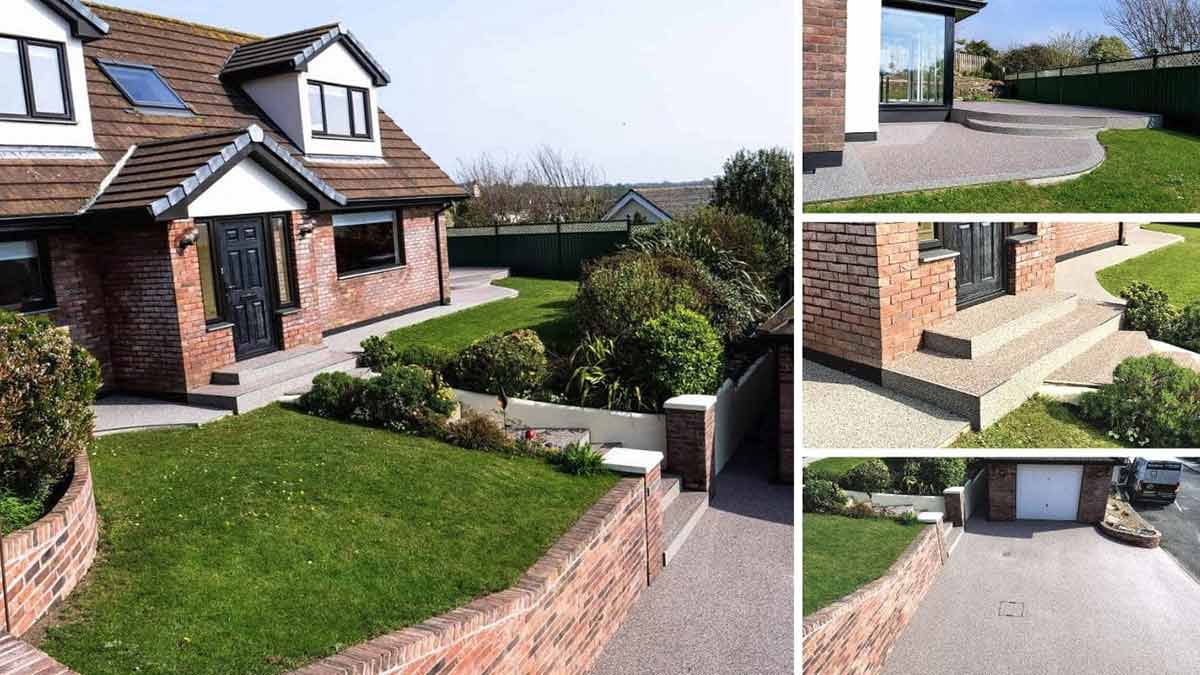
{Resin for your Driveway, Patio or Path in Mansfield.|Why use resin for your patio, driveway or path in Mansfield?|Resin is Read more
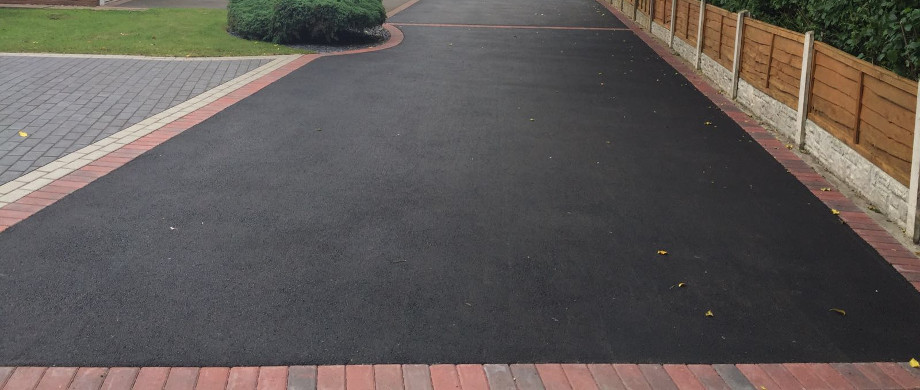
{Four Simple Ways Tarmac Driveways Can Make Your Life Easier in Mansfield.|These are 4 Easy Ways Tarmac Driveways can Make Read more