
To keep your asphalt cool during the summer, you should opt for materials that have a high Solar Reflectance Index (SRI). Applying reflective coatings can enhance this effect by directing sunlight away from your pavement. Integrating cool-coloured aggregates into the asphalt mix or choosing pervious concrete helps in reducing heat retention. Additionally, increasing shade coverage through strategic placement of trees or architectural structures like pergolas also contributes greatly to lowering surface temperatures. Maintaining the reflectivity and permeability of the pavement, along with regular upkeep, is essential. Exploring various options will provide further insights into efficient and effective solutions for cooler asphalt.
Selecting Reflective Materials
Choosing the right reflective materials is vital for reducing heat absorption in asphalt surfaces during summer. Reflective coatings greatly enhance the solar reflective properties of these surfaces, directing sunlight away rather than allowing it to penetrate and heat the asphalt.
When you’re selecting materials, it’s important to take into account the solar reflectance index (SRI) which quantifies how reflective a surface is in comparison to standard black and white surfaces. A higher SRI means better reflectance of solar energy.
You’ll find that materials with micro-scale reflective particles can be particularly effective. These particles increase the albedo (the measure of reflectivity) of the asphalt, making it more capable of reflecting solar radiation.
The choice of these materials should also be guided by their durability and compatibility with existing asphalt compositions. It’s not just about the immediate reduction in surface temperature, but also about making sure that the reflective capacity is maintained over time.
Efficient application of these reflective coatings is vital. Confirm that the coatings are evenly applied and free of impurities that could diminish their reflective properties.
Implementing Cool Pavements

Having selected the right reflective materials, you can now focus on implementing cool pavements, a vital strategy in urban heat management. Cool pavements leverage advanced cooling technologies and surface treatments that enhance the reflectivity and thermal emittance of road surfaces, thereby reducing surface and ambient temperatures.
The selection of appropriate cooling technologies and surface treatments is essential. Here’s a breakdown of popular options and their characteristics:
| Cooling Technology | Description |
|---|---|
| Reflective Coatings | Apply these coatings to existing pavement to increase solar reflectance. |
| Pervious Concrete | This material allows water to permeate, reducing heat retention and enhancing cooling. |
| Cool-colored Aggregates | Integrating light-colored aggregates into the pavement mix boosts reflectivity. |
Implementing these technologies involves careful planning. You’ll need to assess the urban layout and traffic patterns. It’s vital to confirm that the chosen solution not only fits the specific environmental conditions but also aligns with local regulatory standards and budget constraints. Additionally, consider the longevity and maintenance requirements of each solution to enhance your investment.
Enhancing Shade Coverage
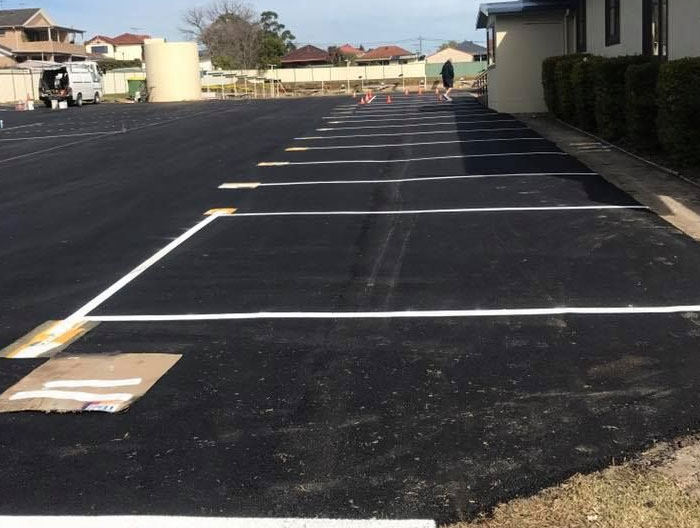
While implementing cool pavements notably reduces urban heat, enhancing shade coverage serves as another effective method to cool asphalt surfaces during summer.
Strategic tree placement and the integration of shade structures can meaningfully lower surface and ambient temperatures, providing a more sustainable environment.
Here are key strategies to enhance shade coverage:
- Optimal Tree Placement: Position trees to optimise shade on the asphalt during peak sun hours. This involves analysing sun paths and positioning trees where their shadow will be most effective during the hottest parts of the day.
- Diverse Species Selection: Choose tree species that grow wide canopies for broader shade coverage. Deciduous trees are particularly effective as they provide shade in summer and allow sunlight in winter.
- Incorporation of Shade Structures: Install pergolas, awnings, and other built structures to provide immediate relief from solar exposure, especially in areas where tree growth may be impractical.
- Regular Maintenance: Confirm trees and shade structures are well-maintained to enhance their lifespan and effectiveness in shading.
- Integration with Architecture: Design new buildings and renovations to incorporate shade elements naturally, such as overhangs and green terraces.
Using Permeable Pavers
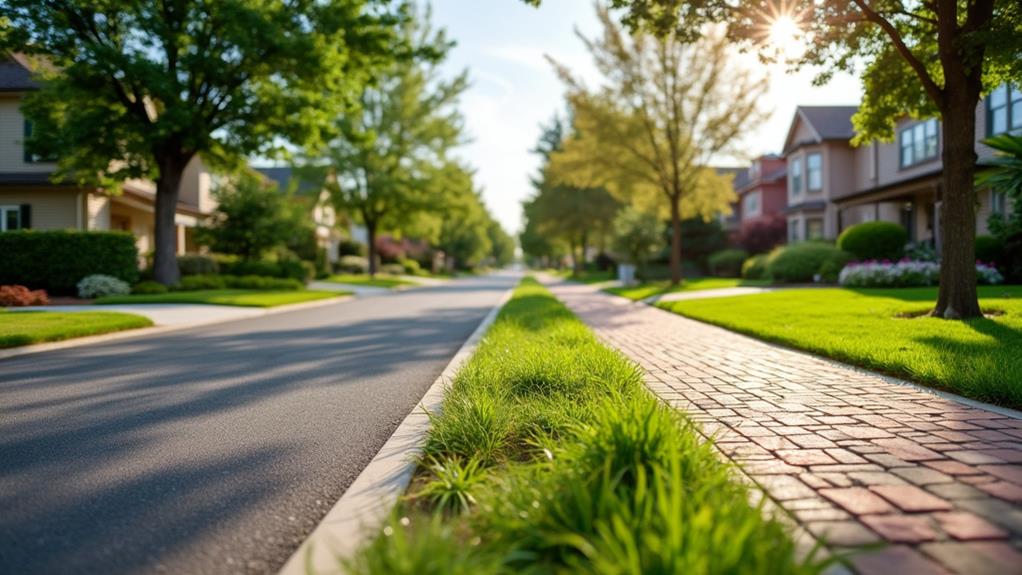
In addition to enhancing shade coverage, employing permeable pavers is a highly effective method to reduce heat absorption on asphalt surfaces.
Permeable pavers, designed to allow water to pass through and decrease surface temperatures, offer significant permeable benefits in urban heat island mitigation. These systems not only reduce runoff but enhance cooling by increasing the evaporation rate.
When you’re considering installation techniques, it’s important to focus on the material selection and the underlying layers.
Opt for light-colored materials that reflect more solar radiation, thereby reducing heat absorption. The base layer should consist of crushed stone or gravel that supports effective drainage and promotes air circulation, further aiding in temperature reduction.
You’ll also need to guarantee proper spacing between the pavers. This spacing is key to creating enough surface area for water to permeate effectively while maintaining structural integrity.
It’s vital to consult technical guidelines specific to permeable paver systems to improve both functionality and aesthetic value.
Maintaining Regular Surfaces
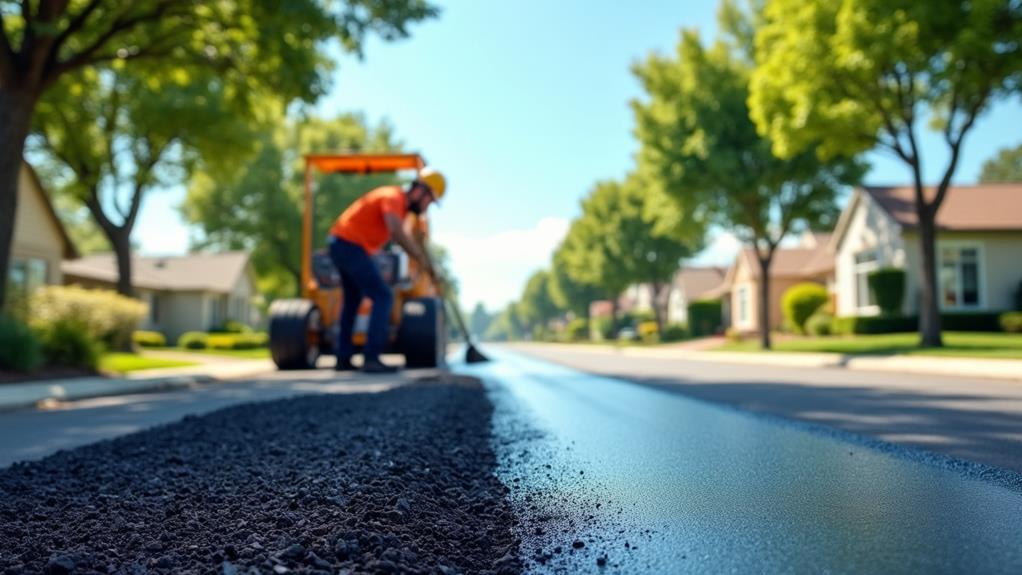
After exploring the benefits of permeable pavers, it’s important to address the maintenance of regular asphalt surfaces. Proper maintenance is vital for extending the lifespan and enhancing the performance of asphalt, especially in the face of summer’s high temperatures.
To keep your asphalt cool and functional, consider these technical strategies:
- Regular Cleaning: Remove debris and stains to prevent surface degradation.
- Timely Repairs: Fix cracks and potholes promptly to avoid further damage and lessen heat absorption.
- Sealcoating: Apply a protective sealcoat to shield the asphalt from UV rays, moisture, and chemicals.
- Surface Treatments: Consider reflective or lighter-colored surface treatments that can deflect sunlight and lower surface temperature.
- Adequate Drainage: Maintain proper drainage to prevent water accumulation that can lead to surface breakdown.
Additionally, while considering long-lasting convenience, it’s critical to recognise that well-installed and maintained asphalt surfaces not only offer durability but also reduce the frequency of required major repairs.
This guarantees a more consistent performance against the heat of summer.
More Benefits of a Tarmac Driveway for Your Bingham Home A new tarmac driveway can bring a multitude of benefits Read more
Tarmac Driveway After Care Tips If it is well maintained, tarmac driveways will last many years. These tips will help Read more

Maintaining your tarmac driveway is an important task for any homeowner. Proper drainage can make all the difference between having Read more