
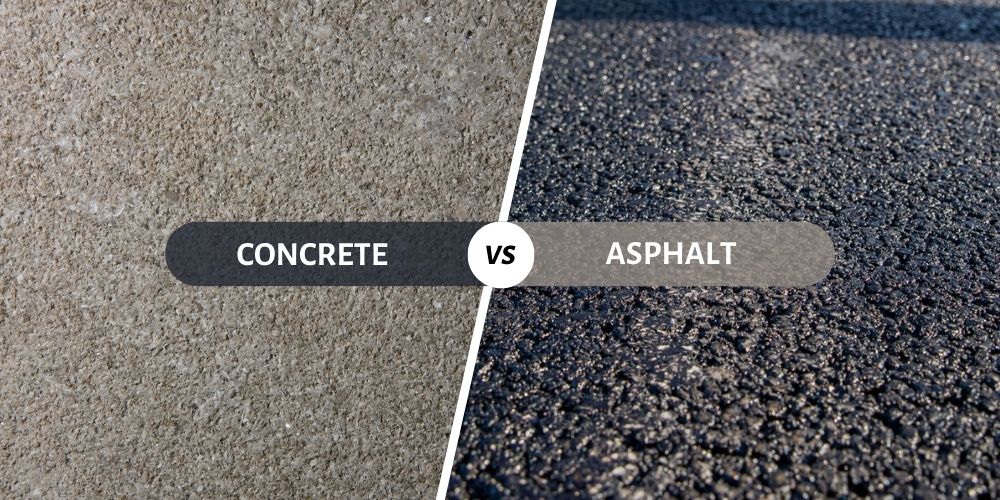
Concrete typically offers higher compressive strength than asphalt, making it more suitable for heavy traffic loads. The construction materials in concrete provide greater resistance to wear and tear compared to asphalt. However, other factors like flexibility, maintenance requirements, and environmental impact play pivotal roles in pavement performance. Understanding the nuances between asphalt and concrete properties can help you make informed decisions regarding the strength and durability of pavements.
Strength Comparison
When comparing the strength of asphalt and concrete, it’s essential to analyse their respective material properties under various loading conditions.
Asphalt, commonly used in road construction, consists of aggregates like stone, sand, and gravel bound together by a binder. This composition makes asphalt flexible, allowing it to withstand minor movements in the underlying soil without cracking.
Concrete, on the other hand, is made of cement, water, and aggregates like sand and gravel. Its rigid nature offers high compressive strength, making it suitable for heavy traffic loads.
In terms of weather resistance, asphalt is more susceptible to damage from extreme temperatures and UV exposure compared to concrete. Concrete’s durability against weather elements makes it a preferred choice for areas with harsh climates.
Additionally, concrete’s smooth finish enhances its aesthetic appeal, while asphalt’s darker colour may be less visually appealing to some.
Both materials have distinct construction techniques, with asphalt being quicker to install due to its lower curing time, while concrete requires more time to set properly.
Durability Factors
Considering the environmental conditions and maintenance requirements, durability factors play a significant role in determining the long-term performance of both asphalt and concrete pavements.
When it comes to colour retention, asphalt tends to fade faster due to its dark colour, while concrete offers better colour retention with options for pigmentation.
The installation process is important for both materials, with concrete requiring more time to cure compared to the quicker setting time of asphalt.
Surface texture is another critical aspect; asphalt provides a smoother ride due to its flexibility, whereas concrete can be more abrasive but offers better skid resistance.
Temperature sensitivity is a key factor affecting durability; asphalt can soften in high temperatures, leading to rutting, while concrete is prone to cracking in extreme cold.
Understanding these durability factors is essential in choosing the right material for your pavement needs.
Load-Bearing Capacity
Load-bearing capacity is an essential aspect to compare when evaluating the performance of asphalt and concrete pavements. The ability of a pavement to support weight and distribute loads impacts its longevity and functionality.
Concrete pavements are known for their high load-bearing capacity due to the strength of their construction materials. The rigid nature of concrete allows for better weight distribution, making it a suitable choice for areas with heavy traffic patterns.
On the other hand, asphalt pavements have a slightly lower load-bearing capacity compared to concrete. Asphalt is more flexible, which can result in deformation under heavy loads. However, advancements in asphalt mixtures have improved its load-bearing capabilities, making it a popular choice for various road applications.
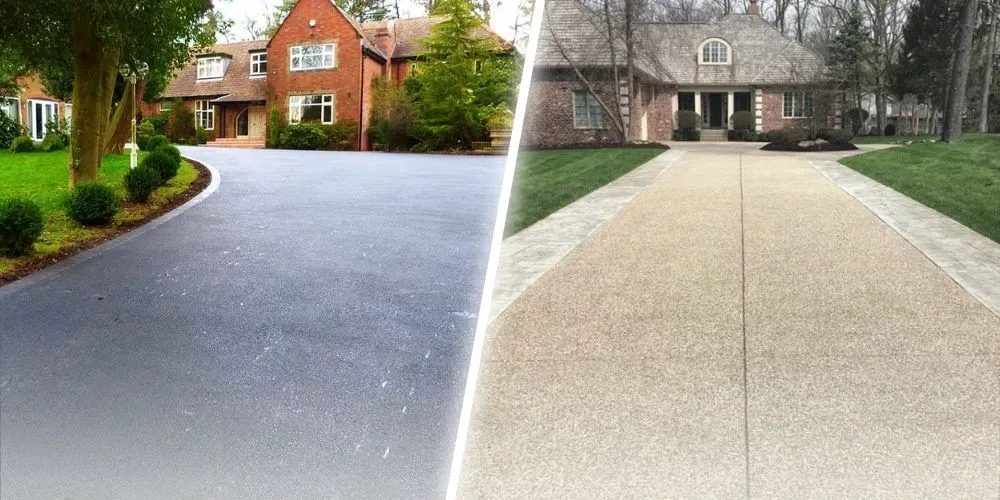
Factors such as traffic patterns and soil composition also play a significant role in determining the load-bearing capacity of pavements. Understanding how these elements interact with the construction materials is vital for designing durable and efficient roadways.
Environmental Impact
Examining the environmental impact of asphalt and concrete pavements is crucial when assessing their sustainability and long-term effects on the ecosystem. Regarding material sourcing, asphalt typically requires less energy-intensive raw materials compared to concrete, which involves limestone and clay extraction. However, both materials have significant carbon footprints during production, with concrete being significantly higher due to the cement manufacturing process.
Recycling initiatives play a crucial role in mitigating these environmental impacts. Asphalt offers a higher rate of recyclability, with reclaimed asphalt pavement (RAP) being commonly used in new mixtures. Concrete, although less recyclable, is seeing advancements in technologies like crushed concrete aggregate.
Sustainability practises such as incorporating recycled materials and using warm-mix asphalt techniques further reduce the environmental burden of pavements.
When evaluating the environmental impact of asphalt versus concrete, it’s important to consider factors like material sourcing efficiency, recycling capabilities, carbon footprints, and sustainable practises to make informed decisions that align with ecological preservation and long-term environmental health.
Maintenance Requirements
Maintenance for both asphalt and concrete pavements is essential to guarantee longevity and durability. Regular upkeep can have a substantial impact on repair costs over time.
Asphalt requires more frequent maintenance due to its flexibility and susceptibility to damage. Preventive measures such as filling cracks and sealing the surface are vital to prevent water infiltration, which can weaken the pavement structure and lead to more extensive damage.

Concrete, while more durable, also requires maintenance to secure its longevity. Surface treatments like sealants are applied to protect the concrete from moisture penetration, chemical exposure, and freeze-thaw cycles. Proper sealing techniques can help prolong the lifespan of concrete pavements by reducing the risk of cracking and spalling.
Considering repair costs and the long-term performance of both asphalt and concrete pavements, investing in regular maintenance and applying suitable surface treatments are key factors in extending the lifespan of road surfaces.
Climate Resilience
Enhancing the climate resilience of pavements involves selecting materials and construction techniques that can withstand the environmental challenges posed by temperature variations, precipitation, and other weather-related factors. Weather resistance is essential in determining the longevity and performance of pavements.
When considering material composition, asphalt tends to be more flexible than concrete, allowing it to better adapt to temperature changes without cracking. Additionally, asphalt pavements can undergo maintenance treatments to restore their weather resistance properties.
Construction techniques also play a significant role in enhancing climate resilience. Proper compaction during installation is critical to guarantee the pavement’s durability against temperature variations. Drainage systems should be integrated into the design to manage precipitation effectively, preventing water damage that can weaken the pavement structure.
Regular inspections and maintenance routines are crucial to address any weather-induced wear and tear promptly. By implementing appropriate construction techniques and selecting weather-resistant materials, pavements can exhibit increased resilience to temperature variations and other environmental stressors.
Cost Considerations
Consider the initial investment required for both asphalt and concrete pavements when evaluating cost effectiveness over their lifespan. In the cost analysis between asphalt and concrete pavements, it’s important to factor in not only the upfront costs but also the long-term expenses associated with maintenance and repairs.
When comparing the installation process, asphalt generally has a lower initial cost than concrete. The installation of asphalt involves less labour and equipment compared to concrete, which requires more meticulous preparation and setting time. However, over time, asphalt may necessitate more frequent resurfacing and repairs due to its lower durability compared to concrete.
In terms of cost effectiveness, concrete pavements often require less maintenance and have a longer lifespan, which can offset the higher initial investment. Properly maintained concrete surfaces can last considerably longer than asphalt, potentially resulting in lower overall costs over the lifespan of the pavement.
Therefore, when considering cost, it’s essential to weigh both the initial investment and the long-term maintenance requirements of each pavement type.
Long-Term Performance
When evaluating the long-term performance of asphalt and concrete pavements, durability and resilience are critical factors that must be taken into account.
- Ageing Effects: Over time, both asphalt and concrete pavements undergo ageing effects due to exposure to various environmental factors such as sunlight, moisture, and heavy traffic loads. These ageing effects can lead to deterioration, cracking, and loss of structural integrity.
- Material Composition: Asphalt pavements are typically made of bitumen and aggregates, offering flexibility and the ability to accommodate slight movements without notable damage. On the other hand, concrete pavements consist of cement, aggregates, and water, providing strength and rigidity but are more prone to cracking under certain conditions.
- Longevity: The long-term performance of asphalt versus concrete pavements can vary depending on factors such as maintenance practises, traffic volume, and climate conditions. Proper maintenance, timely repairs, and suitable design considerations can considerably extend the lifespan of both pavement types.
With their focus on durable, high-quality installations and excellent customer service, Tarmac Driveway Mansfield can ensure your driveway stands the test of time. To learn more about their services or request a free quote, you can contact them at 07595 510190 or visit their website at https://asphaltdrivewaysmansfield.co.uk/.
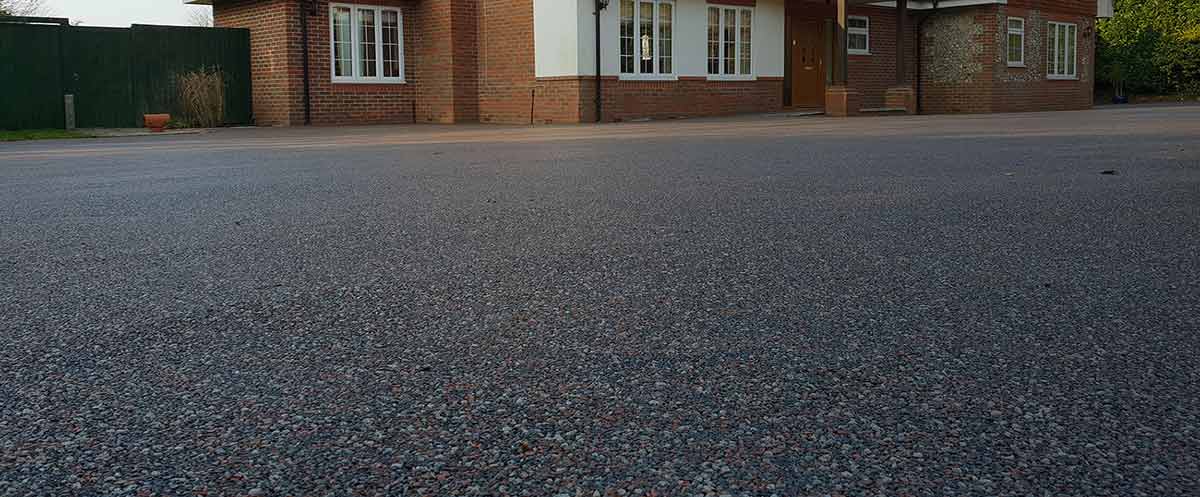
More Benefits of a Tarmac Driveway for Your Bingham Home A new tarmac driveway can bring a multitude of benefits Read more
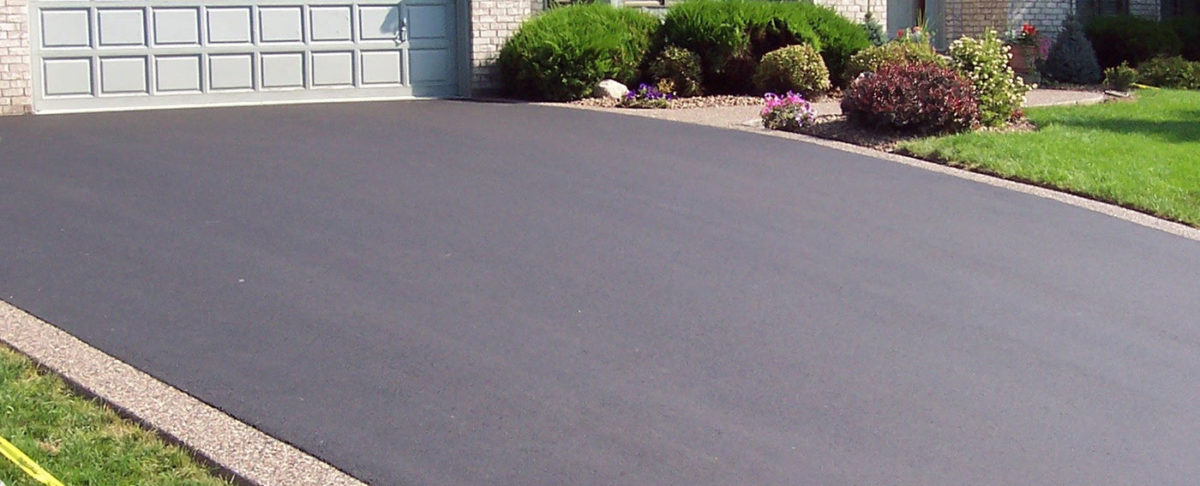
Tarmac Driveway After Care Tips If it is well maintained, tarmac driveways will last many years. These tips will help Read more

Maintaining your tarmac driveway is an important task for any homeowner. Proper drainage can make all the difference between having Read more