
You should definitely consider edging your asphalt driveway as it significantly enhances its longevity and curb appeal. By creating a solid boundary, you’ll prevent grass and roots from encroaching, protecting the edges from water and soil erosion. This results in fewer repairs and a longer lifespan of your driveway. You’ll also boost the overall appearance of your property, potentially increasing its value. However, weigh in the initial costs and regular upkeep against the benefits. Choosing the right edging material—be it concrete, brick, stone, or metal—also plays an important role in maintenance and aesthetics. Exploring various materials and techniques will reveal which best suits your needs and budget.
Benefits of Driveway Edging
Edging your asphalt driveway greatly boosts its longevity and curb appeal. When you invest in proper edging, you’re not just enhancing the driveway’s aesthetic appeal; you’re also increasing its resistance to common wear and tear.
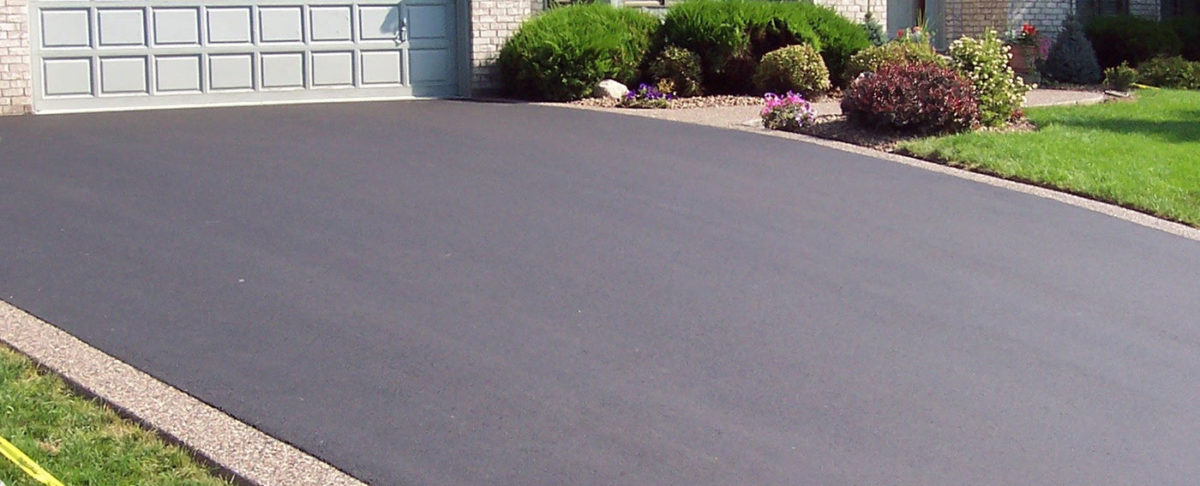
This process involves creating a clean, defined boundary between your driveway and your lawn or garden, which prevents the gradual encroachment of grass and roots that can cause cracking and crumbling. With a firm barrier, such as steel, stone, brick, or even concrete curbing, the edges of your asphalt are protected against the erosive effects of water and soil.
Like tarmac driveways, the choice of material for edging can greatly impact the durability and maintenance needs of your driveway. This enhanced durability means fewer repairs and a longer lifespan for your driveway.
It’s important to choose a material that complements the look of your home and can withstand local weather conditions to optimize these benefits. Additionally, the sharp, neat lines of a well-edged driveway improve the overall look of your property.
It creates a polished, cared-for appearance that can actually increase the value of your home. When you’re planning your driveway installation or considering upgrades, don’t overlook the impact and practicality of edging.
It’s a smart move that pays off in both function and style.
Potential Drawbacks
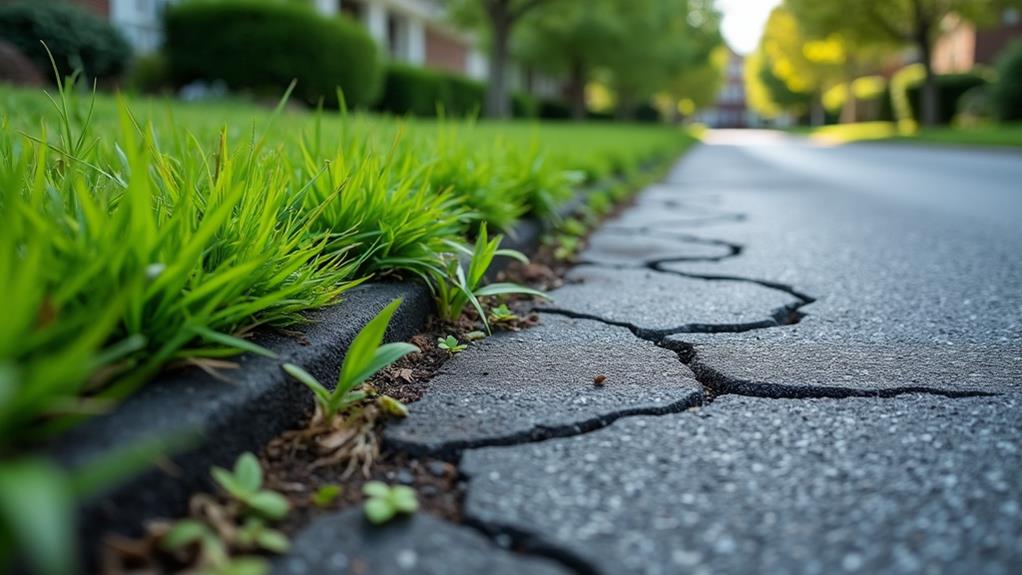
While driveway edging offers numerous benefits, it’s important to contemplate some potential drawbacks before making a decision. Here’s a detailed look at factors you should consider:
| Factor | Impact | Consideration |
|---|---|---|
| Cost | High initial | Upfront investment may be steep compared to alternatives without edging. |
| Maintenance | Regular needed | Edging requires periodic checks and possible repairs to maintain its form and function. |
| Aesthetic Impact | Possible clash | Style may not complement every home architecture or landscape. |
Firstly, cost considerations play a significant role. Installing edging is not just about purchasing materials; you’re also looking at potential labor costs and ongoing maintenance. This can add up, making it an expensive endeavor initially.
Moreover, while edging can enhance the beauty of your property, the aesthetic impact isn’t always positive. It’s essential to choose a style that harmonizes with your home’s exterior. If done incorrectly, it can detract from the overall appeal, making your investment less worthwhile.
Don’t overlook the maintenance aspect either. Unlike a simple asphalt driveway, edged driveways need more care to prevent the materials from shifting or breaking. This means you’ll be dedicating time and possibly more money to keep it in top shape. Consider these points carefully to see if edging fits your budget and lifestyle.
Choosing the Right Materials
Having considered the potential drawbacks, you’ll next want to focus on selecting the appropriate materials for driveway edging to guarantee durability and aesthetic appeal.
The right choice won’t only enhance your driveway’s functionality but also its overall look. Here’s a breakdown of material types and a cost comparison to help you make an informed decision:
1. Concrete Edging: Concrete is highly durable and offers a seamless look. It can be pre-formed into various shapes and sizes, making it versatile for different design preferences.
However, it can be more expensive than other options. Considering the cost of tarmac, integrating concrete edging can be an efficient way to enhance both the durability and appearance of your driveway.
2. Brick Pavers: These provide a classic aesthetic and can be laid in various patterns. While slightly less durable than concrete, they offer easy replacement if damage occurs.
The cost varies based on the type of brick and the complexity of the design.
3. Stone Edging: Natural stone such as granite or flagstone offers unique beauty and extreme durability.
The cost is usually higher due to the material quality and installation requirements.
4. Metal Edging: Metal like steel or aluminum is sturdy and offers a modern look.
It’s less expensive than stone and is relatively easy to install, though it may not blend as well with natural landscapes.
Choose wisely based on your budget, aesthetic preference, and durability needs.
Installation Techniques
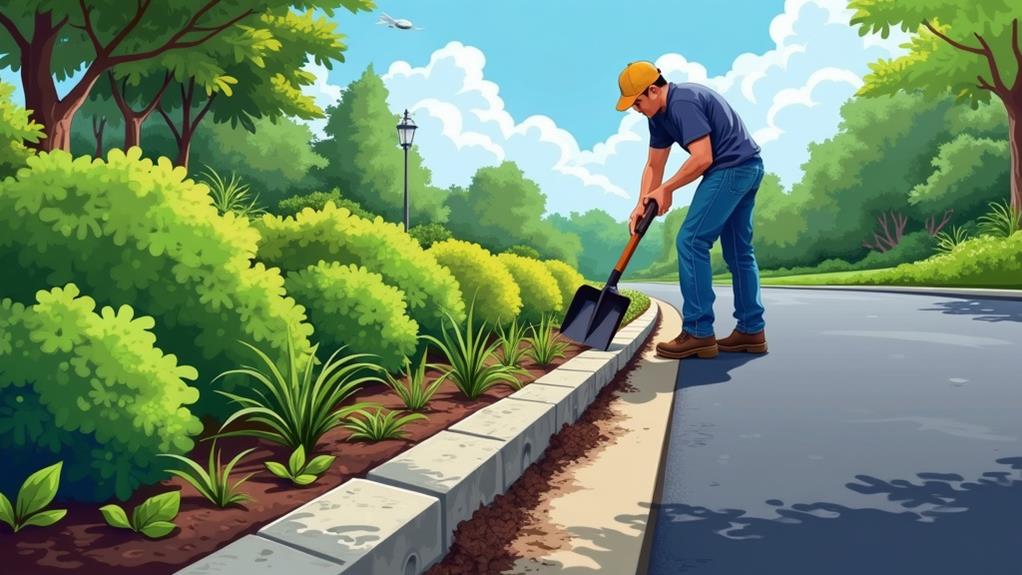
Generally, you’ll want to start your edging installation by carefully planning the layout to confirm it fits perfectly with your driveway’s dimensions and shape. First, measure the perimeter of your driveway to determine the amount of edging material needed. Choose a style that complements the aesthetics and function of your driveway, whether it be sleek metal or classic brick.
The installation methods vary with edging styles. For example, if you’re using brick, you’ll need to dig a trench about two inches deeper than the brick’s height and equally wide. Place a layer of sand at the bottom for stability, set the bricks tightly against each other, and backfill with soil to secure them in place.
For metal edging, the process involves less digging. You’ll simply align the edging along the driveway’s edge, hammer in the included stakes through the slots in the edging to anchor it into the ground. Confirm each piece is tightly interlocked with the next to prevent shifts.
Considering the quality of materials used, selecting the right type of edging can greatly enhance the longevity and appearance of your driveway. No matter the material, always check that the edging is level and straight. This not only confirms a professional look but also enhances the structural integrity of your installation.
This step-by-step approach guarantees your driveway edges won’t just look good; they’ll last.
Maintenance and Upkeep Tips
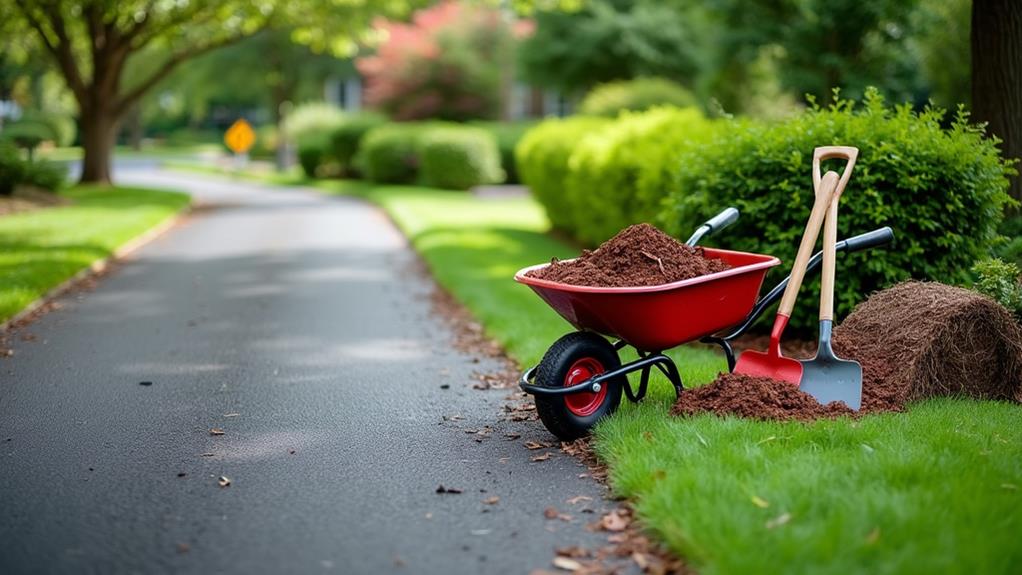
Regularly inspect your asphalt driveway’s edging to guarantee it maintains its shape and function over time.
Keeping up with maintenance not only extends the life of your driveway but also preserves its aesthetic appeal.
Here’s how you can maintain your driveway’s edge effectively:
- Regular Cleaning: Remove debris, such as leaves and dirt, that can accumulate along the edges. This prevents decay and structural damage.
- Weed Control: Actively manage weeds that can grow through the edges. Use a targeted weed killer or manually pull them out to prevent roots from widening existing cracks.
- Sealant Application: Apply a quality sealant around the driveway edges every two to three years. This acts as a barrier against moisture and UV rays, aiding in crack prevention and keeping the edges sharp and defined.
- Prompt Repairs: Address cracks or erosion immediately. If you spot small cracks, fill them with a suitable crack filler product designed for asphalt. This prevents water infiltration and further damage.
More Benefits of a Tarmac Driveway for Your Bingham Home A new tarmac driveway can bring a multitude of benefits Read more
Tarmac Driveway After Care Tips If it is well maintained, tarmac driveways will last many years. These tips will help Read more

Maintaining your tarmac driveway is an important task for any homeowner. Proper drainage can make all the difference between having Read more