
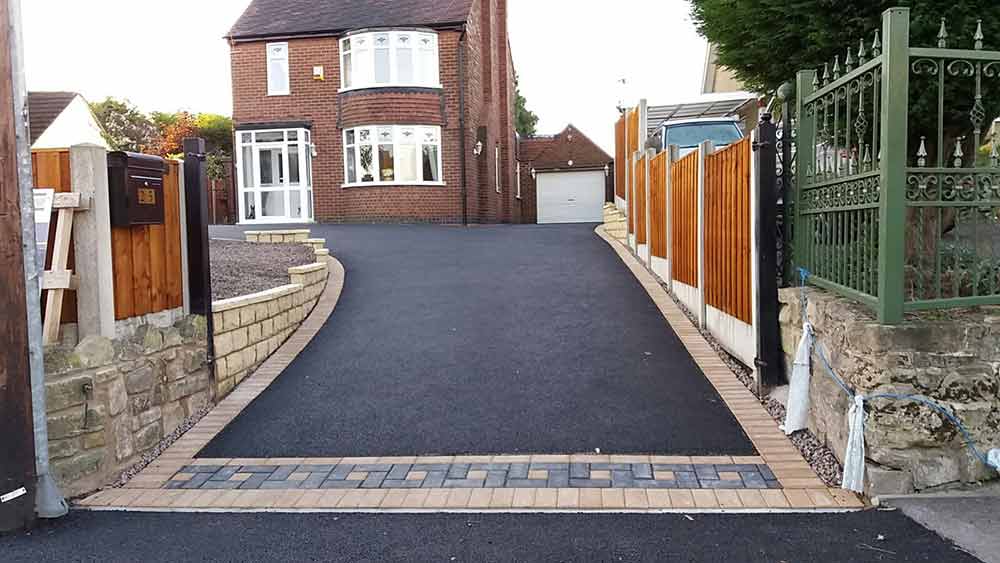
Do you know the hidden impact of your Tarmac driveway on the quality of the water in your area? It’s time to uncover the truth about how asphalt driveways can contribute to stormwater pollution and potentially harm your drinking water supply.
Research conducted by Worcester Polytechnic Institute has highlighted the alarming consequences of untreated or under treated stormwater runoff on our water sources. Roads, including those paved with asphalt, have been identified as significant contributors to this pollution. As asphalt pavements, also known as Tarmac driveways, cover 95% of the paved roads in America, it is crucial to understand the extent to which harmful chemicals and constituents leach into the runoff and affect residential water quality.
Why is this a cause for concern? Reclaimed asphalt pavement (RAP), commonly used in Tarmac driveways, is known to have higher concentrations of petroleum hydrocarbons compared to virgin asphalt. These hydrocarbons, including the carcinogenic compound Benzo[a]pyrene, can pose risks to human health when present in the asphalt runoff. It’s time to ensure that our water is free from these harmful substances.
Discover the sustainable solution that not only protects residential water quality but also benefits the environment. Stay tuned to learn about the benefits of porous asphalt for effective stormwater management and how it can be an eco-friendly alternative for your driveway.
The Benefits of Porous Asphalt for Stormwater Management
Porous asphalt pavements offer a sustainable solution for stormwater management. Unlike traditional asphalt surfaces, porous asphalt allows rainfall to drain through the pavement and into an underlying stone bed. This promotes the infiltration of stormwater into the soil, replenishing aquifers and protecting streams. The open-graded surface and stone bed also provide filtration, cleansing the stormwater and removing pollutants.
Porous asphalt is easy to construct and has been proven to last for decades, even in extreme climates. It can also help mitigate the urban heat island effect and reduce the impact of impervious surfaces on the natural hydrology. From an economic standpoint, porous asphalt can be cost-effective, as it eliminates the need for traditional stormwater management components like detention ponds.
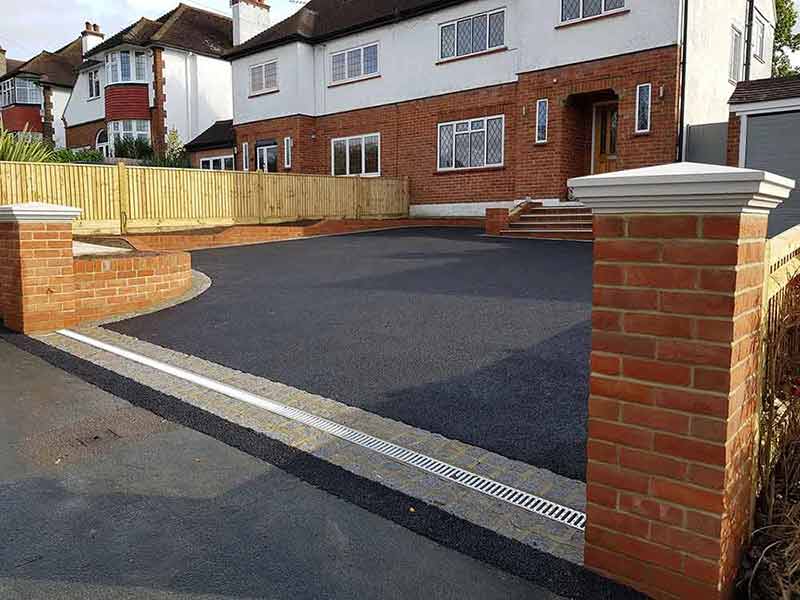
Overall, porous asphalt pavements are an environmentally-friendly choice that supports water conservation and sustainable land development.
Benefits of Porous Asphalt
- Enhanced stormwater management
- Infiltration of stormwater into the soil
- Replenishment of aquifers and protection of streams
- Filtration and removal of pollutants
- Durable and long-lasting
- Mitigation of urban heat island effect
- Reduction of impervious surface impacts on hydrology
- Cost-effective alternative to traditional stormwater management
- Supports water conservation and sustainable land development
Case Study: The Use of Porous Asphalt in Mansfield
| Location | Installation Date | Benefits |
|---|---|---|
| Tarmac Driveway Mansfield | 2020 | Increased stormwater infiltration |
| Birmingham Road | 2018 | Protection of local water sources |
| Park Street | 2019 | Reduced stormwater runoff |
The use of porous asphalt in Mansfield, such as in the installation of Tarmac Driveway Mansfield in 2020, has demonstrated the benefits of this sustainable solution for stormwater management. These projects have resulted in increased stormwater infiltration, protection of local water sources, and reduced stormwater runoff. By implementing porous asphalt, Mansfield is actively contributing to water conservation and sustainable land development.
Conclusion
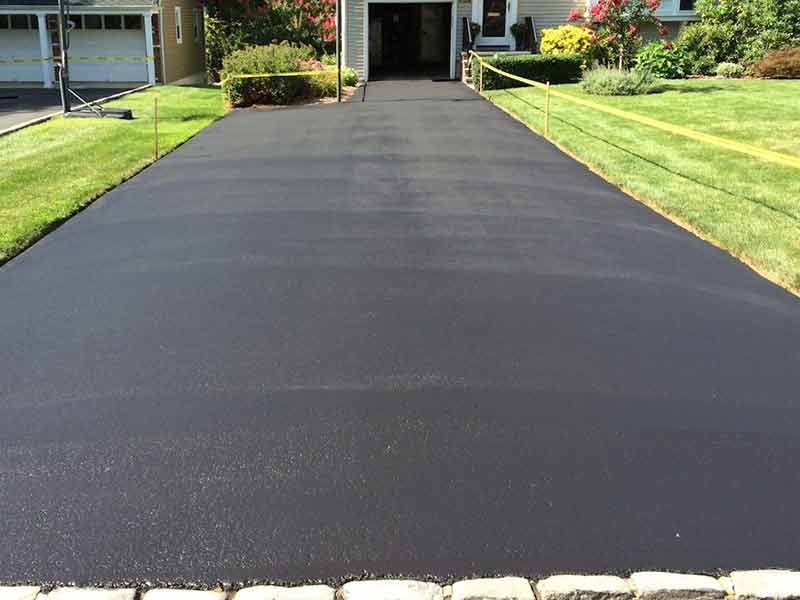
Tarmac driveways, made from asphalt pavements, have a direct impact on residential water quality due to their contribution to stormwater pollution. The presence of harmful chemicals and petroleum hydrocarbons in stormwater runoff from asphalt surfaces can pose risks to drinking water supplies and human health. It is essential to address these concerns through proper stormwater management practices and the use of sustainable solutions like porous asphalt.
Porous asphalt pavements allow for the infiltration of stormwater into the soil, reducing runoff and promoting the cleansing of pollutants. By allowing water to seep through the pavement and into the ground, porous asphalt prevents excessive water runoff, which can result in erosion and surface water pollution.
In addition, the open-graded surface and stone bed of porous asphalt provide natural filtration, removing pollutants from the stormwater.
In addition to its stormwater management benefits, porous asphalt also offers long-lasting performance and cost-effectiveness. It has been proven to withstand extreme climates and can last for decades with proper maintenance. Furthermore, porous asphalt can contribute to noise reduction and help mitigate the urban heat island effect.
By implementing stormwater management practices and using sustainable solutions like porous asphalt, we can protect residential water quality, conserve water resources, and create a sustainable built environment. Ongoing research and innovation in the field of asphalt pavement are crucial to further understanding and minimising the environmental impacts of tarmac driveways on stormwater pollution.
Call us to get a price quote on a tarmac. Contact us today on 07595 510190 to receive a free quote or visit our website.
Source Links
- https://www.ncbi.nlm.nih.gov/
pmc/articles/PMC7388916/ - https://digital.wpi.edu/downloads/
jw827c351?locale=en - https://vaasphalt.org/about-vaa/
why-asphalt/environment/1085-2/
More Benefits of a Tarmac Driveway for Your Bingham Home A new tarmac driveway can bring a multitude of benefits Read more
Tarmac Driveway After Care Tips If it is well maintained, tarmac driveways will last many years. These tips will help Read more

Maintaining your tarmac driveway is an important task for any homeowner. Proper drainage can make all the difference between having Read more