
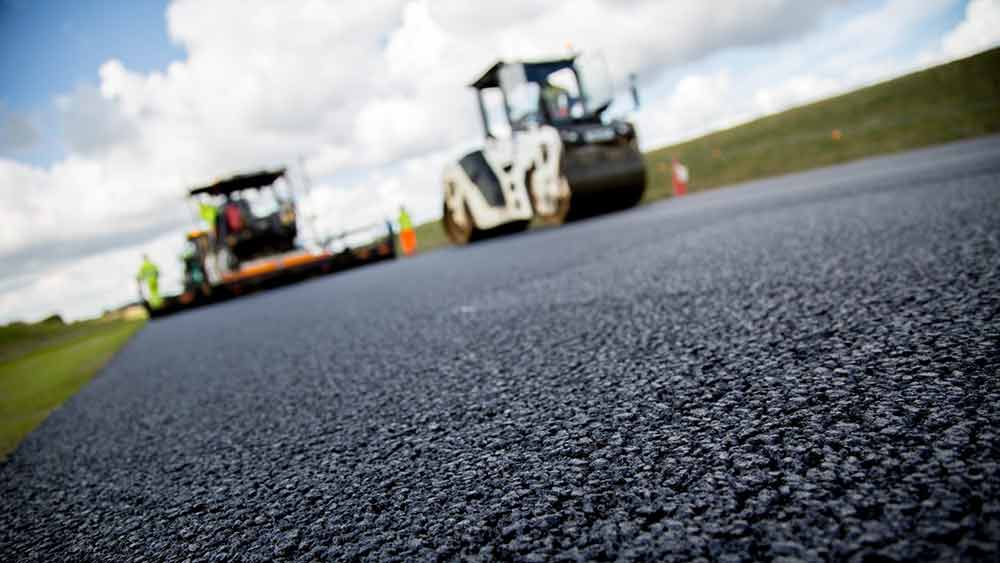
Have you ever wondered what lies ahead for tarmac driveways and road surfaces? The traditional use of asphalt has long been the standard, but concerns about its environmental impact and longevity have prompted researchers and innovators to search for alternative materials and technologies. And they’re making progress!
Now, imagine a driveway that is not only durable and cost-effective but also sustainable. Plastic roads are emerging as a sustainable alternative to traditional asphalt, incorporating shredded plastic waste into an aggregate of crushed stone and sand. These roads have already been successfully implemented in various countries and have shown remarkable resilience against heavy loads and traffic. But are plastic roads really the answer?
Another exciting avenue being explored is the use of plant-derived lignin as a partial replacement for bitumen in asphalt. Lignin, a by-product of paper production, can be sourced from renewable materials such as trees and grasses. By incorporating lignin into asphalt, we can significantly reduce the carbon footprint and create greener driveways and roadways. But is lignin the ultimate solution we’ve been waiting for?
Join us as we delve deeper into these alternative materials and technologies that promise a brighter future for tarmac driveways and road surfaces. Discover the potential of plastic roads and plant-derived lignin as we challenge common beliefs and explore the sustainable options that could reshape our infrastructure.
When it comes to choosing the right materials for your driveway construction or tarmac surfacing, it’s essential to stay informed and consider the long-term benefits. Let’s embark on this journey together and uncover the revolutionary possibilities that lie ahead!
Plastic Roads: A Sustainable Alternative to Asphalt
As concerns about the environmental impact and longevity of traditional asphalt continue to grow, innovative alternatives such as plastic roads have emerged as sustainable solutions.
Plastic roads are created by incorporating shredded plastic waste into an aggregate of crushed stone and sand. The plastic waste is heated until it melts, coating the aggregate, and then top-coated with heated bitumen to solidify the surface.
Plastic roads have garnered attention and have been successfully implemented in various countries, including India, the Netherlands, and Sweden. These roads offer several advantages over traditional asphalt and concrete surfaces. Firstly, plastic roads are highly durable, making them resistant to heavy loads and traffic.
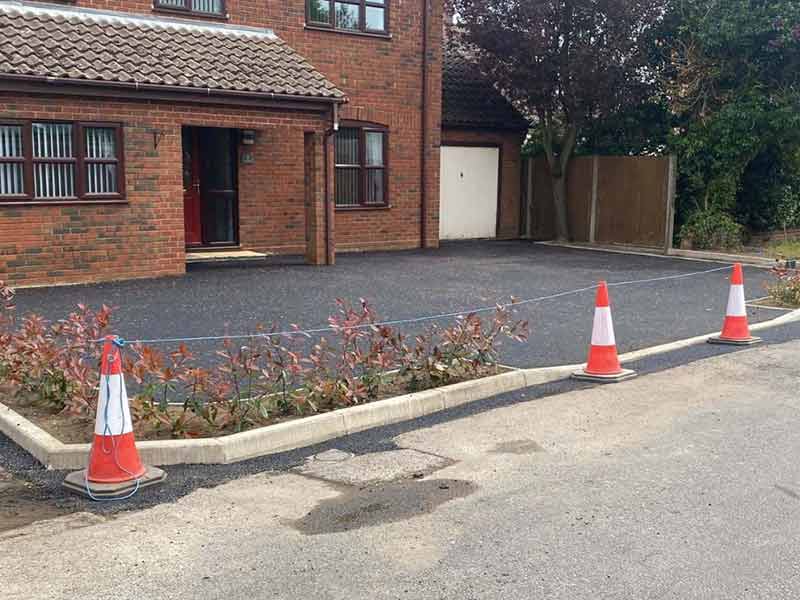
This resilience ensures that they require less frequent resurfacing, minimizing the need for drive renovation and driveway repair. Additionally, plastic roads have a longer lifespan compared to their asphalt counterparts, contributing to drive longevity.
One of the key benefits of plastic roads is their positive impact on the environment. By incorporating shredded plastic waste, these roads reduce plastic waste and promote a circular economy. Furthermore, they contribute to carbon emissions reduction by providing an alternative to traditional asphalt, which is known to have a significant carbon footprint.
Implementing plastic roads as a paving solution can bring significant advantages to driveways and roadways. Their sustainable nature, durability, and reduced need for frequent resurfacing make them an appealing choice for those considering tarmac installation or driveway repair. Plastic roads not only offer a sustainable alternative to asphalt but also contribute to the reduction of plastic waste and carbon emissions.
| Advantages of Plastic Roads | Traditional Asphalt | Plastic Roads |
|---|---|---|
| Durability | Require frequent resurfacing | Resistant to heavy loads and traffic; longer lifespan |
| Environmental Impact | Significant carbon footprint | Reduces plastic waste; promotes a circular economy; lower carbon emissions |
| Sustainability | Less sustainable; limited recycled content | Incorporates shredded plastic waste; supports the circular economy |
Plant-Derived Lignin: A Carbon-Negative Alternative to Bitumen
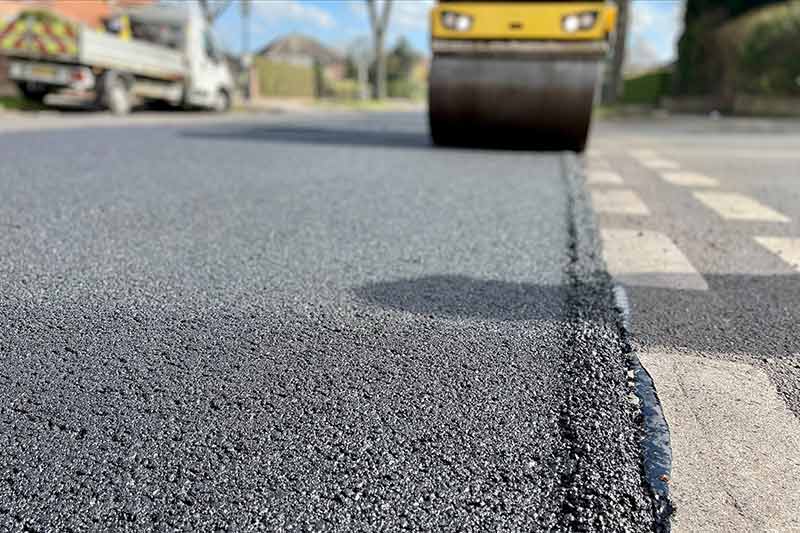
In the search for sustainable options, researchers have turned to plant-derived lignin as a potential alternative to bitumen in asphalt.
Lignin is a complex organic polymer found in the cell walls of plants and can be sourced from renewable materials like trees and grasses.
By incorporating lignin into asphalt, we can reduce the carbon footprint and create a more environmentally friendly solution for driveway installation, resurfacing, and maintenance.
The adoption of lignin in road projects has already begun in countries such as the Netherlands, Scandinavia, and the United Kingdom.
These projects serve as successful examples of how lignin can be used effectively in asphalt paving. Ongoing trials and research are continuously being conducted to optimize the use of lignin, with the ultimate goal of developing a fully biobased and sustainable pavement solution.
A tarmac driveway in Mansfield, for example, can benefit from the use of plant-derived lignin. As homeowners look for driveway contractors who prioritize sustainable materials and practices, incorporating lignin into the construction process can be a key selling point.
Not only does lignin offer environmental advantages by reducing carbon emissions, but it also provides a durable and long-lasting surface, ensuring that the driveway remains in good condition for longer periods.
As we move towards a greener future, the utilization of plant-derived lignin in asphalt paving presents an exciting opportunity for driveway installation, resurfacing, and maintenance. By choosing tarmac driveways that incorporate lignin, homeowners in Mansfield can contribute to a more sustainable and eco-friendly community while enjoying the benefits of a high-quality and durable driveway.
Call us to get a price quote on a tarmac. Contact us today on 07595 510190 to receive a free quote or visit our website.
Source Links
- https://dolphin-n2.com/what-alternatives-are
-being-developed-to-replace-asphalt-bitumen-roads/ - https://www.newcivilengineer.com/innovative
-thinking/could-plant-derived-material-replace
-bitumen-in-asphalt-28-06-2023/ - https://www.axiomint.com/
the-road-more-tr…e-for-the-future/
More Benefits of a Tarmac Driveway for Your Bingham Home A new tarmac driveway can bring a multitude of benefits Read more
Tarmac Driveway After Care Tips If it is well maintained, tarmac driveways will last many years. These tips will help Read more

Maintaining your tarmac driveway is an important task for any homeowner. Proper drainage can make all the difference between having Read more