

Welcome to our guide on tarmac driveways! If you’re considering installing a tarmac driveway or already have one, you may be wondering about its lifespan and what factors can affect its durability. In this article, we’ll explore the life expectancy of tarmac driveways and provide helpful tips on maintenance to extend their lifespan.
A tarmac driveway, also known as asphalt or blacktop, is a popular choice for its durability, flexibility, and cost-effectiveness. It offers a smooth and attractive surface for your property’s entrance, enhancing its aesthetic appeal. But how long can you expect a tarmac driveway to last?
The lifespan of a tarmac driveway can vary depending on several factors, including the quality of materials, level of maintenance, and climate conditions. On average, a well-installed tarmac driveway can last anywhere from 15 to 20 years or more. However, it’s essential to note that different types of tarmac may have varying lifespans.
In areas with moderate temperatures and low rainfall levels, tarmac driveways can last up to 20 years or more. However, if you live in a region with extreme temperature fluctuations, high rainfall levels, or frequent freeze-thaw cycles, the lifespan may be shorter due to the damage caused by these conditions.
To ensure the longevity of your tarmac driveway, regular maintenance is key. This includes cleaning debris and checking for signs of damage like cracks and potholes. By addressing these issues promptly, you can prevent further deterioration and extend the life of your driveway.
Using a sealant is also recommended to protect the surface from UV rays and make it more resistant to oil and water damage. Additionally, regularly applying a sealant can help maintain the appearance of your tarmac driveway.
Now that you have a better understanding of the life expectancy of a tarmac driveway, let’s move on to the factors you should consider when installing one.
In our next section, we’ll discuss the importance of choosing the right materials, proper installation techniques, and how climate can impact the lifespan of your tarmac driveway.

Factors to Consider When Installing a Tarmac Driveway
When it comes to installing a tarmac driveway, there are a few key factors to consider that can greatly impact its lifespan and overall performance. By paying attention to these factors, you can ensure that your tarmac driveway not only looks great but also lasts for many years to come.
Choosing the Right Materials
The quality of the materials used for your tarmac driveway is crucial in determining its longevity. Opt for high-quality tarmacadam from reputable suppliers to ensure durability and resistance to cracking and deterioration. Investing in premium materials from the start can add several years to the lifespan of your driveway.
Proper Installation Techniques
The installation process plays a significant role in the longevity of your tarmac driveway. It’s important to hire a professional tarmac contractor who has experience and expertise in proper installation techniques. From preparing the base for optimal drainage to ensuring proper curing, every step of the installation should be carried out correctly to maximise the durability of your driveway.
Maintaining Your Driveway
Regular maintenance is essential in keeping your tarmac driveway in excellent condition. Implement a maintenance routine that includes cleaning debris, checking for signs of damage like cracks and potholes, and addressing them promptly to prevent further deterioration. By staying on top of maintenance, you can extend the life of your tarmac driveway and minimise the need for costly repairs.

Considering Climate Conditions
The climate in your area can also impact the lifespan of your tarmac driveway. In regions with moderate temperatures and low rainfall levels, tarmac driveways tend to last longer. However, in areas with extreme temperature fluctuations, high rainfall levels, and frequent freeze-thaw cycles, the driveway may experience accelerated wear and tear. Proper maintenance and the use of sealant can help protect the surface from harsh climate conditions and prolong its lifespan.
Asphaltdrivewaysmansfield.co.uk
Comparing Tarmac Driveways to Resin Bound Surfacing
Resin bound driveways are becoming increasingly popular in the UK as a viable alternative to traditional tarmac driveways. These driveways use a combination of resin and stone aggregate, resulting in a seamless and highly durable surface. While their long-term durability is still undergoing research due to being a relatively newer product, resin bound driveways are known to have a lifespan of over 30 years.
One of the key advantages of resin bound surfacing is its versatility in terms of colours, allowing homeowners to choose from a wide range of options that suit their preferences and complement their property. The driveways are laid by hand to ensure evenness and strength, while the edges are framed to prevent crumbling. Additionally, the porous nature of resin bound driveways facilitates proper water drainage.
Maintenance requirements for resin bound driveways are minimal. Regular jet washing is typically sufficient to keep the driveway looking its best. On the other hand, tarmac driveways can last between 15 to 20 years with regular maintenance and application of sealant. While both options have their merits, resin bound surfacing surpasses tarmac driveways when it comes to longevity and attractiveness.
For residents in Mansfield, UK, looking to enhance their driveways, companies like Tarmac Driveway Mansfield (https://asphaltdrivewaysmansfield.co.uk/) offer a range of solutions, including resin bound surfacing, to ensure durable and visually appealing driveways for years to come.
Call us to get a price quote on a tarmac. Contact us today on 07595 510190 to receive a free quote or visit our website.
Source Links
- https://daressurfacing.co.uk/2023/03/15/
how-long-do-tarmac-driveways-last/ - https://www.homelogic.co.uk/
how-long-does-an-asphalt-driveway-last - https://www.precisioncivils.co.uk/
blog/how-long-do-roads-last/
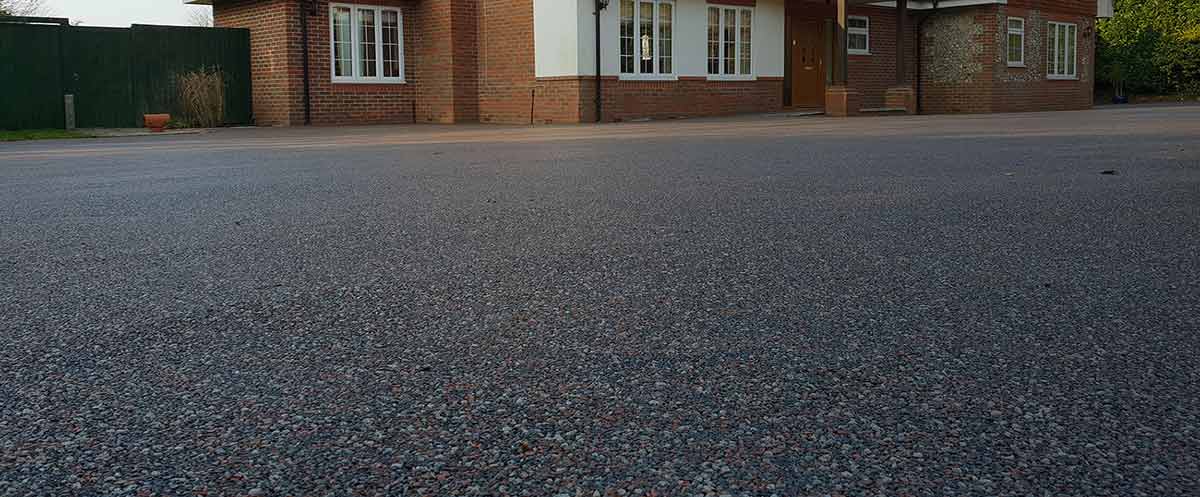
More Benefits of a Tarmac Driveway for Your Bingham Home A new tarmac driveway can bring a multitude of benefits Read more
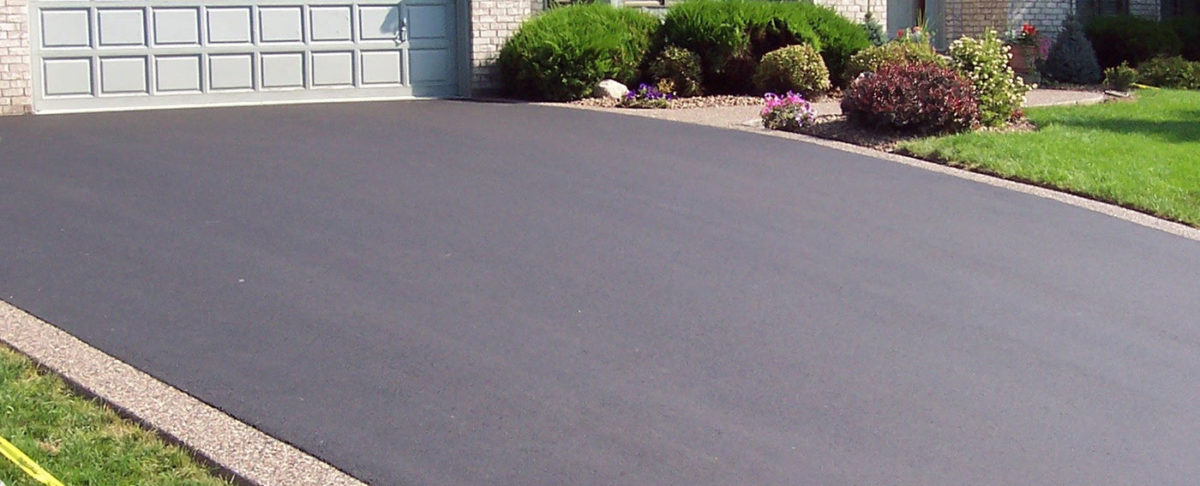
Tarmac Driveway After Care Tips If it is well maintained, tarmac driveways will last many years. These tips will help Read more

Maintaining your tarmac driveway is an important task for any homeowner. Proper drainage can make all the difference between having Read more