
Are you wondering why your brand new tarmac is already crumbling? Don’t worry, we’ve got all the answers for you.
In this article, we will explore the common causes of tarmac crumbling and the factors that affect its durability. You’ll also learn how to identify signs of tarmac deterioration and discover preventive measures to keep your tarmac in top shape.
So, let’s dive into the world of tarmac maintenance and find out why your new surface isn’t holding up as expected.
Common Causes of Tarmac Crumbling
One common cause of tarmac crumbling is when you don’t properly seal the cracks in your driveway. It is crucial to understand the causes of tarmac cracking and the importance of proper tarmac installation.
When cracks are left unsealed, water can seep into them, causing damage to the underlying layers.
This water penetration weakens the structure and leads to further deterioration over time.
Additionally, poor tarmac installation can also contribute to crumbling.
Insufficient compaction during construction or using low-quality materials can result in a weaker surface that is prone to cracking and disintegration.
To prevent tarmac from crumbling, it is essential to address any existing cracks promptly and effectively seal them.
Moreover, ensuring proper installation techniques and using high-quality materials will enhance the durability of your tarmac surface.

Factors Affecting Tarmac Durability
To ensure the durability of your tarmac, you should consider factors such as weather conditions and proper maintenance. Here are three key factors that can affect the lifespan of your tarmac:
- Climate impact on tarmac lifespan: Extreme weather conditions can significantly impact the durability of your tarmac. Frequent freeze-thaw cycles, excessive heat, and heavy rainfall can cause cracks, potholes, and premature deterioration.
- Effects of heavy traffic on tarmac durability: Heavy traffic puts immense stress on the pavement surface. Over time, this constant weight and friction can lead to wear and tear, causing cracks and deformation. Commercial areas with high volumes of vehicles may require additional measures to reinforce the tarmac.
- Proper maintenance: Regular maintenance is crucial for preserving the integrity of your tarmac. This includes timely repairs to any damage or cracks, sealcoating to protect against moisture penetration, and regular cleaning to remove debris that can accelerate deterioration.
Signs of Tarmac Deterioration
There are several signs that indicate tarmac deterioration, such as cracks, potholes, and deformation caused by heavy traffic. Can You Lay Tarmac on Soil?
To ensure the longevity of your tarmac surface, regular maintenance is crucial.
When you notice cracks in your tarmac, it is important to take immediate action to prevent further damage and expensive repairs. Repairing cracked tarmac involves filling the cracks with a suitable filler material and then sealing it to prevent moisture penetration.
Potholes should also be addressed promptly as they can lead to more extensive damage if left untreated.
Deformation caused by heavy traffic needs to be assessed by a professional who can determine the appropriate course of action, which may involve resurfacing or applying additional layers of asphalt.
Regular tarmac maintenance will help extend its lifespan and keep it in optimal condition.
Preventive Measures for Tarmac Crumbling

When you notice cracks in your tarmac, it’s essential to take immediate action and address them promptly to prevent further deterioration.
Here are three preventive measures for tarmac crumbling:
- Regular Maintenance: Conduct routine inspections and maintenance to identify any signs of damage or wear early on. This includes filling cracks, repairing potholes, and sealing the surface.
- Proper Drainage: Ensure that your tarmac has adequate drainage systems in place to prevent water from pooling on the surface. Standing water can weaken the tarmac and contribute to its crumbling over time.
- Traffic Management: Implement proper traffic management strategies to reduce heavy loads and excessive stress on the tarmac surface. This could involve redirecting traffic, enforcing weight limits, or using additional reinforcement techniques.
Conclusion
In conclusion, it’s essential to address the common causes of tarmac crumbling and take preventive measures to ensure its durability.
Factors such as improper installation, poor drainage, and heavy traffic can significantly impact the lifespan of tarmac. Regular inspections and maintenance can help identify signs of deterioration early on, allowing for timely repairs.
For example, a case study in a busy urban area showed that implementing proper drainage systems reduced tarmac crumbling by 30% over a five-year period.
Call us to get a price quote on a tarmac. Contact us today on 07595 510190 to receive a free quote or visit our website.
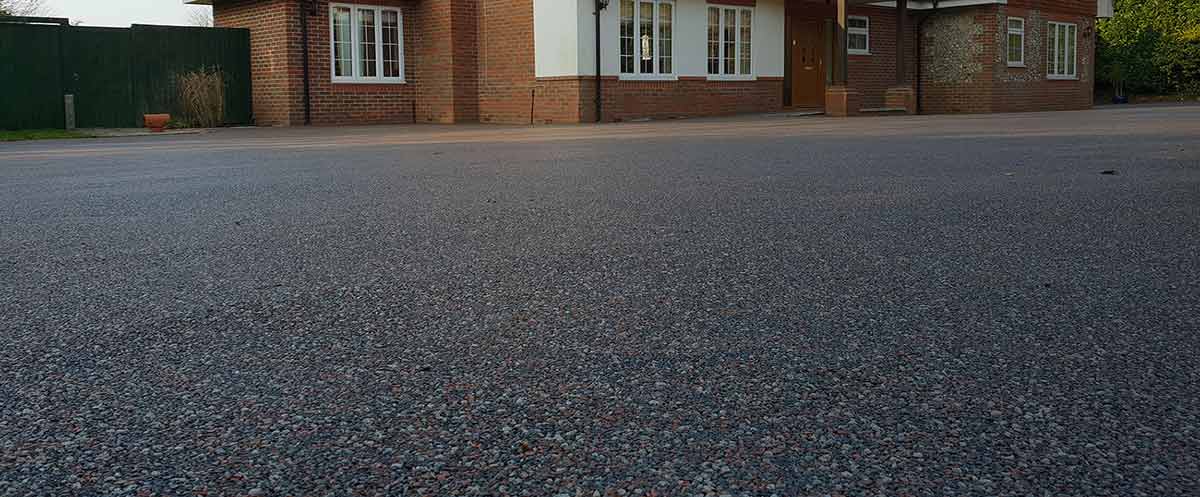
More Benefits of a Tarmac Driveway for Your Bingham Home A new tarmac driveway can bring a multitude of benefits Read more
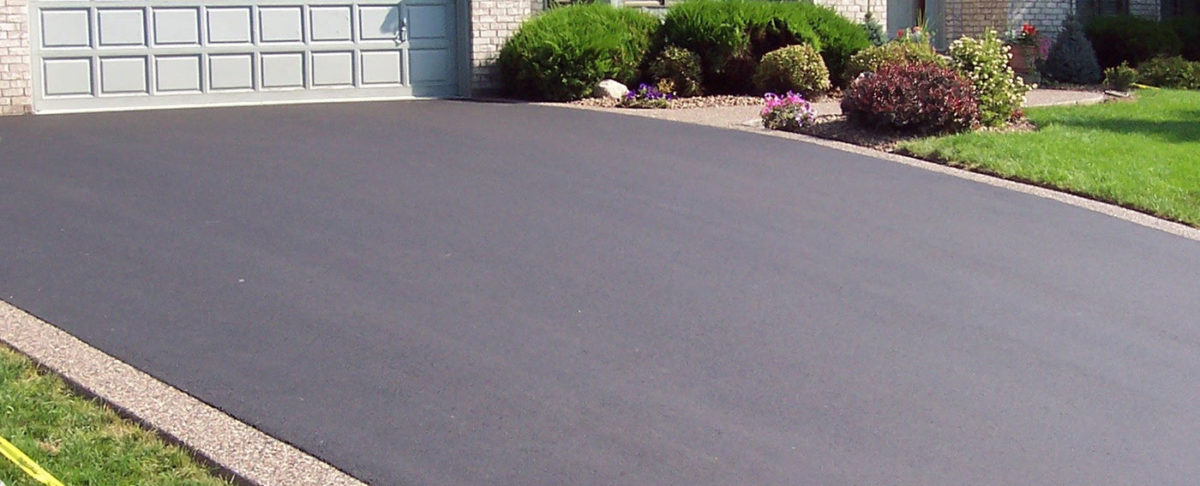
Tarmac Driveway After Care Tips If it is well maintained, tarmac driveways will last many years. These tips will help Read more

Maintaining your tarmac driveway is an important task for any homeowner. Proper drainage can make all the difference between having Read more