
Yes, water can seep through tarmac, although it’s designed to be low in permeability. Tarmac consists of tar binding together crushed stones which, when compacted, reduce water penetration. However, microscopic gaps in the surface and between aggregates allow moisture to infiltrate subtly. Factors like aggregate grading, quality of materials, and surface texture play significant roles in determining how much water seeps through. Coarser, less compact surfaces tend to retain more water, increasing absorption. Continuous maintenance, particularly sealing cracks and ensuring effective drainage, mitigates water-related damage. By understanding these intricacies, you’ll grasp how to enhance the durability and functionality of your tarmac surfaces.
Understanding Tarmac Composition
Tarmac, primarily composed of tar and crushed stone, offers a robust surface for pavements and roadways. When you dive deeper into its composition, you’ll find that the choice of tarmac materials and the precision in construction techniques markedly influence its durability and performance.
The base material, tar, acts as a binder, amalgamating the aggregate particles—typically gravel, sand, and crushed stones—to create a dense, cohesive matrix. This water-resistant property of tarmac guarantees that it can efficiently repel water, reducing the risk of water seepage and damage from freezing and thawing cycles.
The quality of these tarmac materials is vital. High-grade tar guarantees a stronger adhesion among the aggregates, which directly impacts the tarmac’s resistance to stress and strain. The granular composition of the crushed stone also plays an important role. Properly graded aggregates provide a balance, guaranteeing compactness and stability, while irregular or poorly sized particles can lead to weak spots and eventual degradation of the surface.
In terms of construction techniques, meticulous layering and compaction are essential. The process begins with laying down a sub-base, which is compacted and leveled.
Subsequent layers of finer aggregates mixed with tar are then added. Each layer must be compacted thoroughly to expel air pockets and guarantee a tightly packed structure. This methodical approach prevents premature failures and extends the lifespan of the tarmac infrastructure.
How Tarmac Interacts With Water
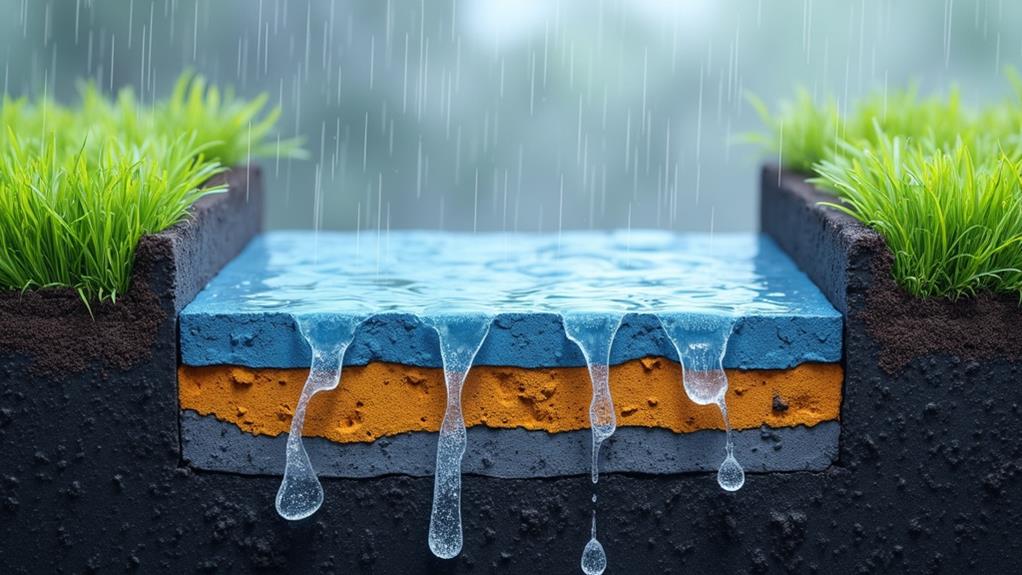
When considering how water interacts with tarmac, it is essential to grasp that while the surface appears impervious, microscopic gaps in the material can allow for moisture penetration. This absorption process is subtle but significant, affecting both tarmac drainage and water retention.
Tarmac’s interaction with water isn’t straightforward. You’d think it simply repels water, right? However, the reality is a bit more complex. The surface texture and the quality of the tarmac play pivotal roles. Rougher surfaces can trap more water, leading to higher water retention. Conversely, smoother surfaces facilitate better drainage but might still suffer from the capillary action drawing water into tiny, almost invisible, pores.
Here’s a quick glance at how different factors influence this interaction:
| Factor | Impact on Water Interaction |
|---|---|
| Surface Texture | Rougher textures retain more water |
| Pore Size | Smaller pores increase capillary action |
| Material Quality | Higher quality means less permeability |
| Maintenance Frequency | Regular maintenance enhances drainage |
Understanding these dynamics helps you appreciate the engineering behind tarmac design, aimed at enhancing water management. Next time it rains, observe how puddles form or dissipate on roads and pathways; it’s these principles in action.
Effects of Water on Tarmac Durability
Several factors greatly impact the durability of tarmac when exposed to water. First, you need to understand that water infiltration can accelerate the degradation process of tarmac. This happens as water seeps into the pores and micro-cracks of the tarmac surface.
During colder months, the infiltrated water freezes and expands, exacerbating these cracks and compromising the structural integrity of the tarmac. Efficient water management, such as the installation of drainage systems, can considerably alleviate these issues by directing water away from the tarmac surfaces, thereby reducing the risk of water damage and extending the lifespan of the driveway.
The chemical composition of tarmac also plays an essential role in determining its lifespan under water exposure. Tarmac typically comprises aggregates bound with bitumen, a substance that’s susceptible to water damage if not properly formulated or applied.
When water permeates tarmac, it can strip away the essential oils in the bitumen, reducing its adhesive qualities and thereby loosening the aggregates.
Furthermore, the rate of water infiltration depends notably on the compaction and porosity of the tarmac. Poorly compacted tarmac with high porosity allows more water to penetrate, thereby reducing its lifespan.
It’s vital you verify that the tarmac is laid down with ideal compaction and a suitable binder-to-aggregate ratio to lessen water infiltration and extend the tarmac lifespan.
Tarmac Maintenance and Water Damage

Understanding the impact of water on tarmac’s durability naturally leads to exploring effective maintenance strategies to mitigate water damage. As you manage your tarmac surfaces, prioritizing moisture control is vital. Water seepage can undermine the structural integrity of tarmac, leading to cracks and potholes that necessitate costly repairs.
To avoid these issues, it’s important you implement regular inspections, especially after heavy rains or snow. Look for any signs of water pooling or unexplained dampness on the surface. These could be early indicators of compromised moisture control mechanisms within the tarmac structure.
In terms of tarmac repair, acting swiftly is key. Small cracks should be sealed promptly to prevent water from infiltrating the base layers. For larger areas of damage, consider professional resurfacing to guarantee a watertight seal. Additionally, use high-quality, water-resistant materials for any repair work to enhance durability against future water exposure.
Moreover, integrating proper drainage solutions plays a significant role in moisture control. Effective drainage methods can greatly reduce the risk of water damage, confirming that drainage systems are clear of debris and fully functional.
This prevents water accumulation on the surface, directing it away from the tarmac, thereby reducing the risk of water damage and extending the lifespan of your investment.
Environmental Impact of Permeable Tarmac

Permeable tarmac greatly reduces environmental impact by allowing water to seep through its surface, decreasing runoff and recharging groundwater supplies.
You’ll find that this technological advancement not only supports efficient stormwater management but also mitigates the urban heat island effect. The permeable nature of these surfaces allows rainwater to naturally infiltrate the ground, thereby reducing the burden on sewer systems during heavy rainfall.
By integrating permeable tarmac, you’re contributing to a more sustainable infrastructure. Traditional impervious surfaces lead to increased runoff, which can transport pollutants into water bodies. However, permeable surfaces filter pollutants as water percolates through the substrate, enhancing water quality. This is particularly crucial in areas susceptible to flooding and those with sensitive ecosystems.
Furthermore, the ability of permeable tarmac to absorb and store rainwater reduces the need for artificial irrigation, promoting lower water usage and conserving water resources. You should consider the long-term savings from reduced stormwater treatment and flood damage repairs, which often justify the initial investment in permeable tarmac.
Incorporating these surfaces into urban planning is a proactive approach to environmental stewardship. You’re not just installing a road or a parking lot; you’re enhancing groundwater recharge, diminishing flood risks, and supporting biodiversity.
Permeable tarmac is an essential element in modern, eco-friendly city planning. Additionally, the use of porous asphalt in places like Mansfield has shown substantial benefits in managing stormwater effectively while protecting local water sources.
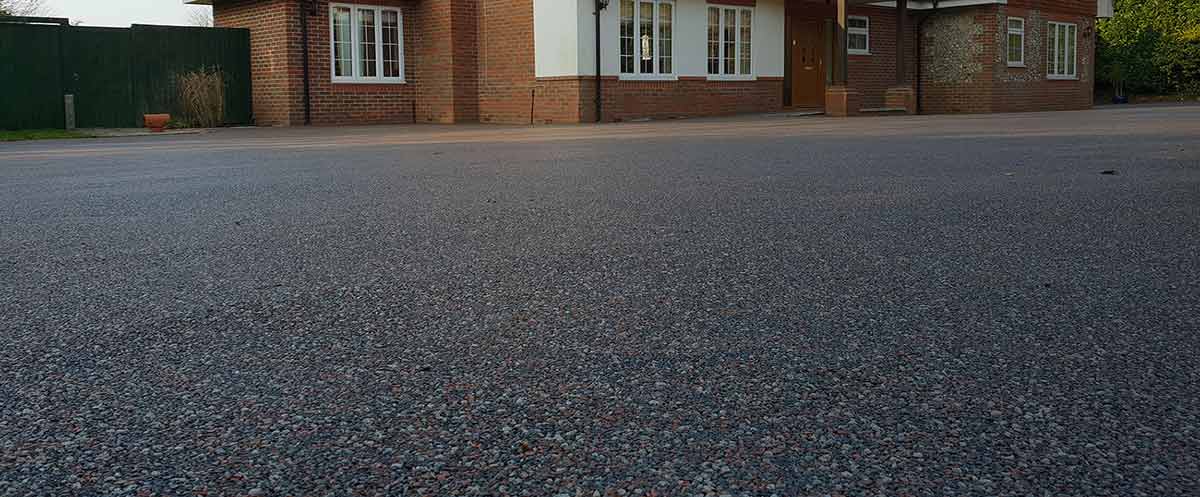
More Benefits of a Tarmac Driveway for Your Bingham Home A new tarmac driveway can bring a multitude of benefits Read more
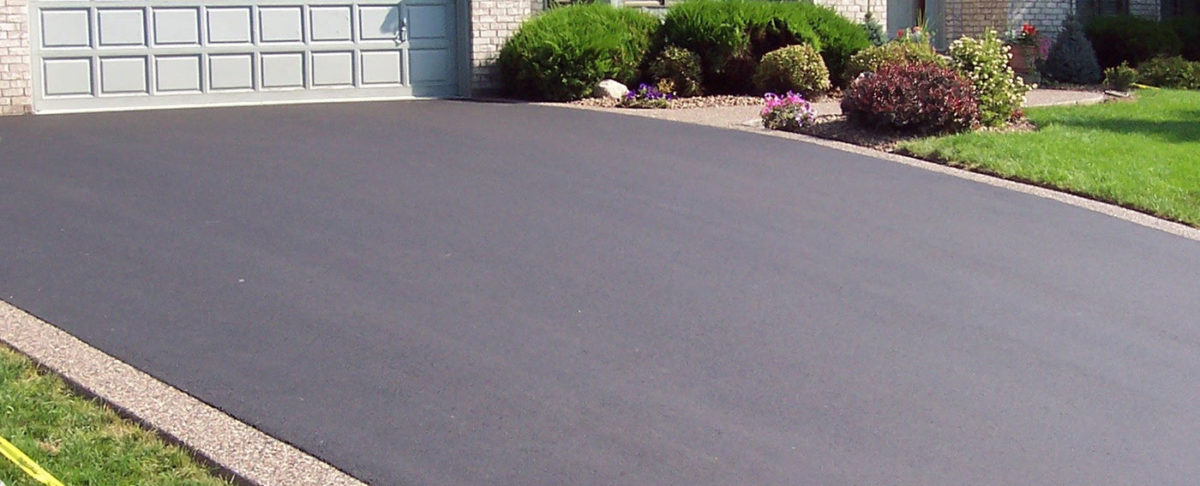
Tarmac Driveway After Care Tips If it is well maintained, tarmac driveways will last many years. These tips will help Read more

Maintaining your tarmac driveway is an important task for any homeowner. Proper drainage can make all the difference between having Read more